Let's talk about what actually happens
Hormonal shifts change arousal. Full stop. They don't erase it, they don't make you broken, and they absolutely don't mean your pleasure has an expiration date. But they do change the mechanics. And that matters because most of what you've heard falls into two useless categories: "everything stops working" or "just relax, it's fine." Neither is true, and neither helps.
Here's what the science actually shows.
The hormonal-arousal connection is real
Estrogen, testosterone, and progesterone aren't just fertility hormones. They're neurochemicals that shape how your nervous system responds to touch. When levels shift, your body's arousal pathway changes.
Lower estrogen means less blood flow to the genital tissues, which can slow the physical response to stimulation. Testosterone fluctuations affect desire at the brain level, not just the body level. And progesterone, when it's elevated, literally dampens arousal in many people.
But here's what most articles get wrong: none of this means arousal is gone. It means the speed and depth have changed. Understand that difference and everything shifts.
What doesn't change when hormones do
Three things that stay intact:
Your neurological capacity for pleasure remains. The pathways in your brain that fire during arousal and orgasm are still there. Hormones dial the volume up or down, but they don't remove the speakers.
Clitoral sensitivity doesn't disappear. What changes is how quickly stimulation registers and how intense it needs to be to trigger response. A lemon clitoral vibrator works precisely because it works WITH those changes, not against them.
Your ability to climax stays functional. Many people assume hormonal shifts mean weaker or fewer orgasms. That's not universal. Some people actually experience more intense orgasms during certain phases because they've finally given themselves permission to explore what their body needs.
Why arousal feels slower during hormonal dips
Two mechanisms at play. First, blood flow. Arousal is basically your body redirecting blood to your genitals. When estrogen is low, blood vessels are less responsive. Your clitoris might not swell as quickly. Lubrication takes longer to build. Everything happens, just on a different timeline.
Second, neural readiness. Your nervous system has a baseline sensitivity level. When progesterone is high or testosterone is low, that baseline shifts upward, meaning you need more stimulation to cross the threshold into arousal.
Neither is permanent. Neither is a malfunction. It's physiology adjusting.
How lemon vibrators fit into the picture
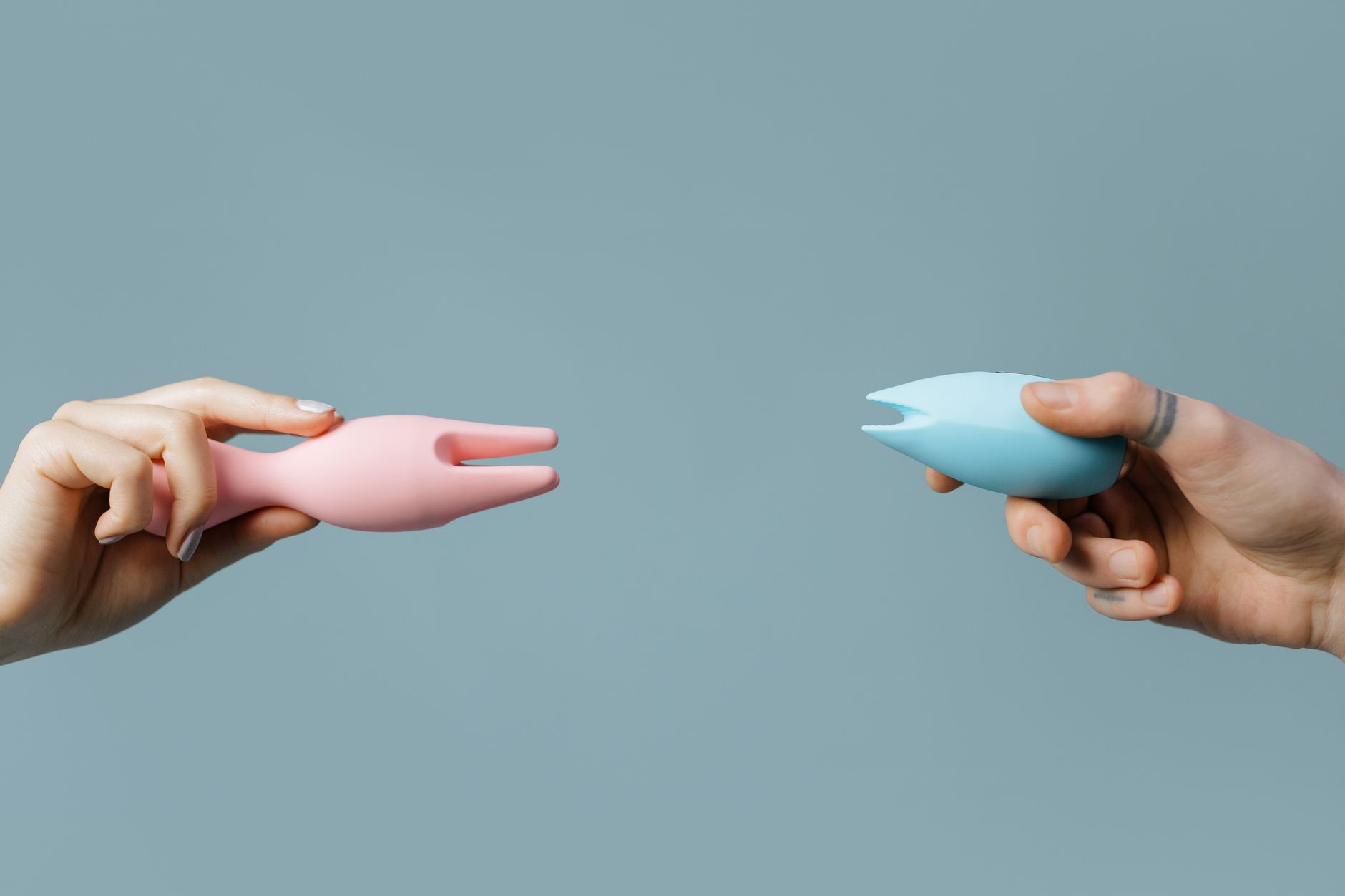
A lemon clitoral vibrator does something important: it bypasses the blood-flow bottleneck. Instead of waiting for arousal to build through friction or partner touch, suction-based stimulation (the technology behind Lemon Clit's lemon vibrators) directly engages the nerve endings in your clitoris.
This matters when hormonal shifts slow arousal. The lem vibrator doesn't require your body to follow the usual arousal cascade. It can actually trigger arousal, rather than respond to it. For people dealing with hormonal fluctuations, that's not a cheat. It's a tool that meets your body where it is.
Unlike traditional vibrators that rely on friction, lemon sexual toys use gentle suction and pulsation patterns. That approach works better for hormonal bodies because it doesn't require the same level of blood engorgement or tissue sensitivity. Your clitoris responds to the stimulation itself, independent of hormonal state.
The timeline shift you need to understand
When hormones fluctuate, arousal takes longer. Full stop. Before, you might have felt desire within five minutes of touch. Now it's fifteen. Or twenty. Or it needs to start with conversation, or you need to watch something, or you need to be in a specific frame of mind.
That's not dysfunction. That's just a different timeline.
The mistake most people make is fighting the timeline. They try to speed it up, get frustrated when it doesn't work, and assume something is broken. Instead, here's what actually works: budget the time. Use foreplay or solo time intentionally. Build arousal in the fifteen to twenty minutes before you want to use your lemon vibrator.
Then introduce the clitoral vibrator. When your nervous system is primed (even partially), the suction stimulation from a lem vibrator can accelerate arousal from there. It's not doing all the work alone. It's meeting you at minute twelve and helping you reach where you want to be.
Practical strategies for hormonal unpredictability
If you're tracking your cycle or hormonal fluctuations, pattern your toy use around predictable low-arousal windows. If you know progesterone spikes on day 21, don't schedule partnered sex then. Instead, use solo time with your lemon clitoral vibrator to explore what sensation feels good during that phase.
This isn't about being strategic. It's about working with your body instead of against it.
Second, talk to your partner (if you have one) about the reality. Hormonal shifts aren't a secret or something to hide. "My arousal is slower this week" is not the same as "I'm not attracted to you." But your partner can't know the difference unless you say it.
When to add lubrication to the equation
If hormonal shifts are causing dryness alongside slower arousal, water-based lubricant is your friend. It's not optional. It's maintenance. Your body isn't broken if it needs lube. Your body is adapting to hormonal reality.
Use a generous amount with any clitoral vibrator, especially during lower-hormone phases. Lube reduces friction, which means your tissues stay comfortable during longer sessions. It also increases glide, which can make stimulation feel more pleasurable.
Apply lube directly to your clitoris and to the head of your lemon vibrator. Reapply as needed during longer sessions.
The emotional layer nobody talks about
Hormonal shifts often arrive with emotional baggage. You might feel shame about needing more time, about needing a tool, about the fact that your body isn't responding the way it used to. That shame is the real problem, not the hormonal shift.
Here's what I tell clients: your body isn't lazy. It's not broken. It's responding to chemistry. And you deserve tools, time, and permission to work with that chemistry instead of fighting it.
Using a lemon clitoral vibrator isn't a workaround. It's not settling. It's listening to what your body actually needs right now and giving it that. That's wisdom, not compromise.
When to check in with a provider
If arousal has completely flatlined and isn't returning after eight to ten weeks, a conversation with your doctor or gynecologist is worth having. Hormonal changes can sometimes signal thyroid issues, medication side effects, or other treatable conditions.
If dryness is severe or painful, topical estrogen creams or hyaluronic acid serums can help restore tissue thickness and hydration. These aren't band-aids. They're legitimate medical tools for hormonal symptoms.
If arousal shifts are happening alongside other changes (mood, sleep, body temperature), that's information worth tracking and sharing with a provider.
The long version of "your arousal isn't broken"
Hormonal fluctuations change how fast you get aroused, how intense arousal feels, and what kind of stimulation registers most easily. None of that is malfunction. None of that is permanent. And none of that means you should accept a shrinking pleasure life.
A lemon vibrator works with your body's current chemistry instead of fighting it. That's the whole point. You're not trying to force your body to respond the way it used to. You're meeting it where it is and creating pleasure from there.
That's actually the more sustainable approach. And it's infinitely more fun.
People also ask
How long does it take for arousal to return to normal after hormonal changes?
It depends on the change. If you've just stopped birth control, expect two to three months for hormone levels to stabilize. If you're navigating perimenopause or other long-term shifts, arousal patterns may settle into a new baseline rather than returning to the "old normal." The goal isn't reverting to how it used to be. It's understanding and adapting to how it is now.
Can you use a lemon vibrator during every phase of your cycle?
Yes. The design of lemon clitoral vibrators means they work across hormonal phases. What might change is your sensation or preference. During high-arousal phases, you might prefer stronger patterns. During low phases, gentler patterns with more lube might feel better. The tool stays the same. Your approach adapts.
Does using a clitoral vibrator regularly make arousal faster over time?
No, but consistent use does help you understand what your body responds to at each phase. You learn patterns. You learn what your current arousal timeline actually is instead of comparing it to an outdated baseline. That knowledge is its own kind of speed.
If hormonal shifts are slowing arousal, is something wrong with the relationship?
Not necessarily. Arousal slowdown is a physical response to chemistry, not a reflection of attraction or connection. The relationship problem only exists if you're not talking about it. Transparency about what's happening, plus practical problem-solving (like using a lemon vibrator), actually strengthens most partnerships.
What's the difference between hormonal arousal slowdown and low libido from stress or depression?
Hormonal slowdown is timeline-based. Arousal still exists, it just takes longer. Low libido from stress or depression is desire-level based. You don't feel much wanting at all. Both are real. Both respond differently. Hormonal shifts might benefit from a lemon clitoral vibrator. Stress-based low libido might need conversation, rest, or professional support first.
How do I know if my hormonal shifts are normal versus something that needs medical attention?
Normal hormonal arousal changes follow a pattern. They correlate with cycle phases, medication changes, or life transitions. Sudden, unexplained loss of arousal alongside other symptoms (mood swings, sleep disruption, temperature regulation changes) warrants a conversation with a doctor. Track what you notice. Bring that information to your provider.
Moving forward
Your body isn't broken. Hormones are part of being human, and they shift. When they do, your arousal timeline shifts with them. That's not tragedy. That's just reality. A lemon vibrator works because it meets reality directly instead of asking your body to conform to outdated expectations.
Understand what changed. Give yourself the time and tools you need. And remember: the best sex of your life might still be ahead. You're not losing capacity. You're finding a different way to access it.
If you have questions about navigating these shifts in your relationship, or if you want to talk through what might be happening with your body, reach out. That's exactly what I'm here for.