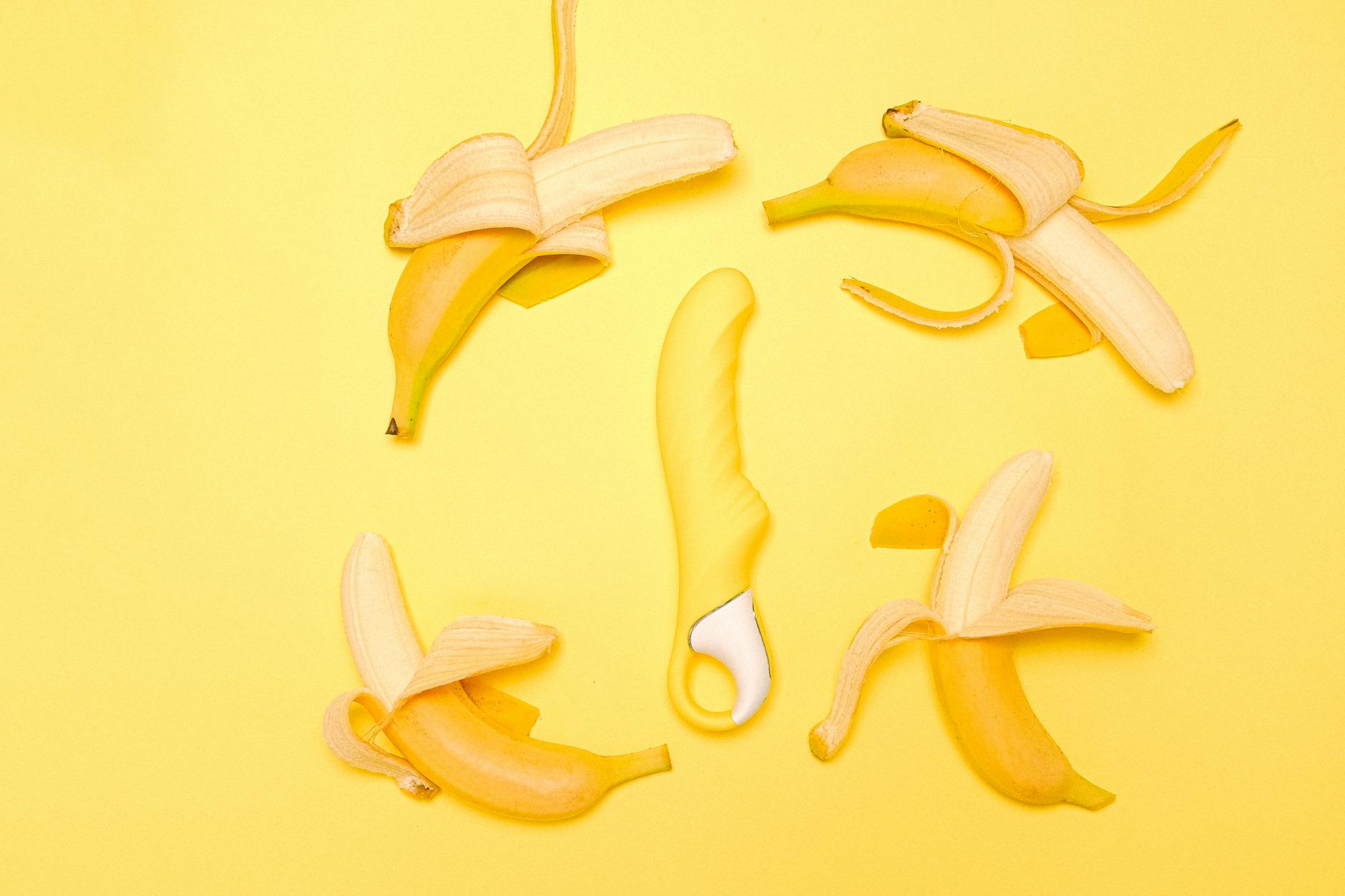
Here's what no one tells you about clitoral sensitivity
Your clitoris has roughly 8,000 nerve endings packed into a space the size of a pea. That's four times the nerve density of your fingertip. When you touch it directly after stimulation, orgasm, or even after extended foreplay, those nerves fire all at once. It's not pain, exactly. It's more like someone cranked the volume on a speaker you were already listening to. The signal is the right one, but the intensity is wrong.
This happens to most people with clitorises. It's not a sign you're broken. It's biology.
Why direct vibration sometimes backfires
Traditional vibrators work through direct mechanical stimulation. You press them against your clitoris, and they buzz or pulse at that exact spot. When your clitoris is already sensitive, that's like trying to have a conversation while someone's pressing their speaker against your ear. The volume drowns out everything else.
The problem gets worse if you've recently had an orgasm. Your clitoris pulls up and back, the tissue becomes temporarily hypersensitive, and direct pressure can feel almost painful. Many people assume this means they need to stop, rest, or give up on sensation for a while. That's one option. The better option is to change the tool.
Why suction works differently
Lemon Clit's suction-based design creates a completely different sensation. Instead of vibrating directly against the clitoris, suction gently draws the tissue into a soft chamber and stimulates the entire clitoral network (the external and internal structures) through sustained pressure and gentle pulsing patterns. Think of the difference between someone tapping your shoulder versus giving you a full shoulder massage. One is concentrated and sharp. The other is distributed and enveloping.
This matters because your clitoris extends internally in a wishbone shape. Direct vibrators only reach part of it. Suction reaches more of the nervous system at once, which spreads the sensation out rather than concentrating it. That distributed stimulation often feels less intense and more pleasurable, especially when you're sensitive.
Starting with the lowest settings
If direct touch feels overwhelming, begin with pattern 1 on your Lemon Clit vibrator. Seriously, not pattern 2, not the setting you think you "should" be able to handle. Pattern 1. Hold it about half an inch away from your clitoris at first. You're not trying to achieve anything yet. You're just exploring what gentle feels like.
With suction vibrators, you don't need direct contact to feel the effect. The suction itself does most of the work. This is the opposite of how most people have learned to use vibrators, so it takes a moment to adjust mentally.
Let the sensation build for at least 2-3 minutes before you consider increasing intensity. Your nervous system needs time to register what's happening and settle into it. If you jump between patterns every 30 seconds, your clitoris stays in alert mode instead of relaxing into pleasure.
Positioning when sensitivity is high
Let your clitoris retract slightly by not touching it directly at first. Angle your Lemon Clit vibrator so that the suction chamber is just barely encompassing the clitoral glans without intense pressure. You want to feel the suction rather than feel gripped. The difference is about 20 percent repositioning and 80 percent pattern choice. Stay on the lowest settings, and positioning becomes almost irrelevant.
Many people find that lying on their back with a pillow under their hips gives them the best angle and control. You can adjust your hips slightly to move away if something feels too intense, which gives you power over the experience.
Using breaks strategically
Sensitivity often comes and goes in waves. If you're halfway through and your clitoris feels overstimulated, stop for 30 seconds. This isn't failure. It's tuning. Your nervous system needs a reset moment. When you restart, your sensitivity often recalibrates, and you can continue comfortably.
This is why how to use a lemon vibrator when orgasms feel less intense matters. The techniques overlap. Learning to work with your body's rhythms instead of pushing through them changes everything.
The role of mental state
Anxiety amplifies sensitivity. If you're worried that something will hurt or that you're doing it wrong, your nervous system tenses up. Everything feels more intense. Before you use your Lemon Clit vibrator, spend 2-3 minutes just breathing. Not meditating, not visualizing. Just breathing slower than usual. Let your shoulders drop. Let your pelvic floor soften.
This is often the single most underrated factor in pleasure. The physical tool is maybe 40 percent of the equation. Your mental state is the other 60 percent.
When to use numbing products (and when not to)
I'm not a fan of topical numbing creams for regular use. They work by desensitizing nerve endings, which means you lose sensation you might actually want to keep. If sensitivity is extreme or linked to past trauma, that's a conversation for a therapist or gynecologist, not a home remedy.
For everyday hypersensitivity after stimulation, the suction approach and the techniques above work better than numbing. Your clitoris isn't broken. It's just overstimulated. The fix is adjustment, not anesthesia.
Combining with other stimulation
If your clitoris is sensitive but you want more sensation overall, work other areas. Internal stimulation through the vagina or anus can feel completely different and often doesn't trigger the same hypersensitivity response. Your clitoris connects to your entire pelvic floor and internal structures. You can explore those while giving your clitoris a rest.
Many people find that combining gentle suction on the clitoris with internal stimulation creates a fuller, rounder sensation that feels less intense than clitoral stimulation alone. It's not about doing more. It's about distributing sensation more widely.
The difference between sensitivity and pain
Let's be clear: sensitivity and pain are not the same. Sensitivity is intensity you can work with. Pain is your body saying stop. If your clitoris genuinely hurts during stimulation, even with suction and low settings, that's a signal to pause and potentially see a healthcare provider. Conditions like genitourinary syndrome or dermatological issues need proper diagnosis, not a different vibrator.
But if it's that overwhelming electrical sensation, the "too much" feeling, that's hypersensitivity. That's what these techniques address.
Why your pleasure matters here
A lot of people with sensitive clitorises assume they're just not "wired for pleasure" the way others are. That's wrong. You're wired differently. A Lemon Clit vibrator and the right technique approach your nervous system on its own terms instead of forcing it into someone else's protocol.
Your sensitivity is not a liability. It means your nerve endings are working. It means you have potential for deep sensation once you find the right approach. The goal isn't to numb yourself into compliance. It's to find what actually works for your body.
FAQ
Can suction vibrators cause permanent sensitivity?
No. Clitoral sensitivity is determined by your nervous system's state in the moment, not by cumulative vibrator use. If anything, using tools like Lemon Clit vibrators mindfully often helps your clitoris become less reactive over time because you're training your nervous system to process sensation in a regulated way rather than pushing through discomfort.
Is it normal for my clitoris to feel numb after using a vibrator?
Temporal numbness is normal. Your nerve endings have been firing intensely, so they need a recovery period. This usually resolves within 15-30 minutes. If numbness persists for hours or days, that's a sign to take a longer break or switch up your approach. But immediate post-stimulation numbness is just your nervous system recalibrating.
Should I be using a vibrator if my clitoris is already sensitive?
Yes, but with intention. The key is choosing the right type. Suction vibrators distribute stimulation in ways that direct vibrators cannot. Many people with clitoral sensitivity find that suction approaches feel better than nothing at all. What matters is matching the tool to your body's response.
Can I use a lemon sucker vibrator after orgasm?
Absolutely. In fact, this is often when suction vibrators shine. After orgasm, when direct stimulation feels intense, the distributed sensation of suction can feel almost soothing. Some people use suction on low settings immediately after climax as a way to extend pleasure without the overstimulation that direct vibration can cause.
What if nothing feels right, even with a Lemon Clit vibrator?
Take a step back. Hypersensitivity sometimes signals that your nervous system needs a genuine rest. If you've been using vibrators frequently, try a 3-5 day break. Your clitoris will reset. When you return, start very slowly. If sensitivity persists even after rest, or if it's accompanied by pain, itching, or discharge, see a gynecologist. Those are signs of something medical that needs addressing.
Does clitoral sensitivity mean I have vaginismus or another condition?
No. Clitoral hypersensitivity and vaginismus are separate things. Vaginismus involves involuntary contraction of the vaginal muscles. Clitoral sensitivity is about nerve response. That said, if you have vaginismus, understanding how to use a lemon vibrator when you have vaginismus can help you explore sensation on your own terms without pressure.
What comes next
Sensitivity is not a stopping point. It's information. Your clitoris is telling you what it needs. A Lemon Clit vibrator, used thoughtfully with low settings and suction-based stimulation, lets you respond to that signal instead of fighting it.
Start low. Start slow. Stay present. Your pleasure is waiting on the other side of that sensitivity, not despite it. If you have questions about what approach might work best for your body, we're here. Reach out at /contact.