The myth that arousal is linear
Let's be real: almost every sex guide written assumes arousal works like a light switch. You get turned on, things escalate, you reach a peak, and you're done. Neat. Predictable. Completely divorced from how most people actually work.
Arrousal is messier. It plateaus, it dips, it zigzags. Sometimes you feel ready five minutes in. Sometimes twenty minutes of everything feels like nothing, and then suddenly your whole nervous system wakes up. Irregular arousal patterns aren't a problem to solve. They're information about how your body likes to be approached.
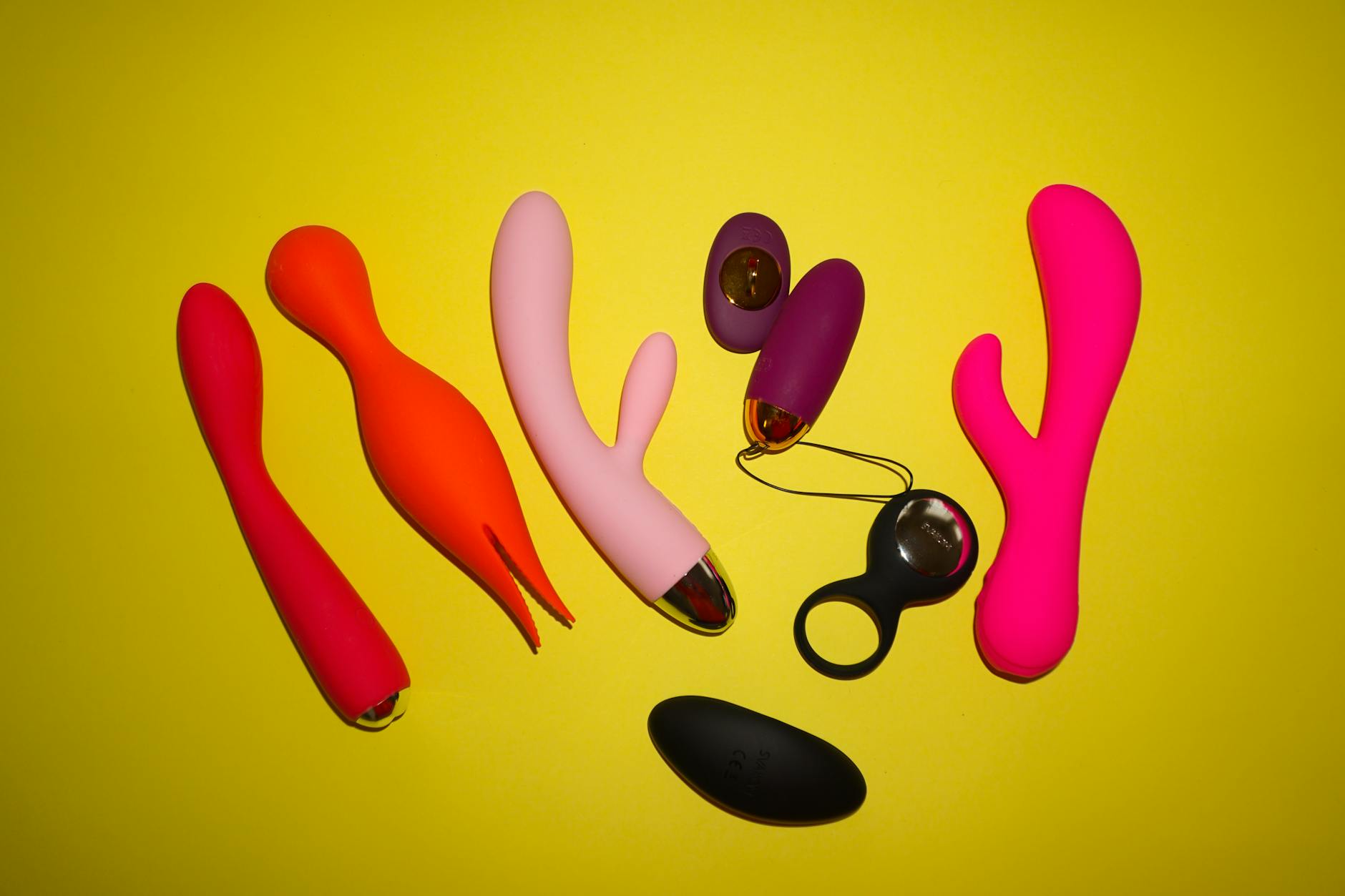
The wild part: once you stop fighting your actual arousal rhythm and start designing your pleasure around it, clitoral vibrators become dramatically more effective. A lemon clitoral vibrator doesn't care about the script. It meets your body where it actually is.
Why arousal isn't supposed to be predictable
Your arousal pattern is shaped by about a million things: stress, hormones, time of day, what you ate, what you're thinking about, whether you're warm or cold, how much sleep you got, and whether your nervous system feels safe right now. That last one is the big one.
When your brain suspects any kind of threat (even low-level stuff like "I should be done by now" or "this should feel better"), your nervous system pumps the brakes on arousal. Blood doesn't flow where it needs to. Sensitivity tanks. The whole system downshifts.
This is why people with irregular arousal patterns often describe feeling like their body works against them. It doesn't. Your body is actually doing exactly what it's supposed to do: protecting you until it's genuinely safe to be vulnerable.
The pattern most people don't recognize
Here's something I see constantly in my practice: people with irregular arousal often have a specific pattern they don't know they have. Arousal builds slowly at first, then dips slightly around the 10-15 minute mark (this is totally normal and not a sign something's wrong), then rises much more steeply if you stay engaged through the dip.
It looks like: slow rise, slight plateau or dip, then a faster rise. The problem is, most people interpret that dip as "this isn't working" and either stop or change tactics completely. Then they never reach the steep rise that comes after.
Clitoral vibrators, especially air-suction models like the lemon vibrators line, are perfect for this pattern because they maintain consistent stimulation through that dip. You're not working harder or changing intensity. You're just staying steady while your nervous system catches up.
How to map your personal pattern
Spend one solo session just observing, not chasing orgasm. No goal. Set a timer for 30 minutes.
Start with low to medium stimulation (setting 2 or 3 on a lemon clitoral vibrator) and notice when you feel a shift. Not orgasm. Just a shift. Does arousal build smoothly, or does it stall somewhere? If it stalls, how long? Does it restart on its own, or do you need to adjust something?
Write it down after. Seriously. You'll start seeing patterns: maybe arousal stalls around minute 8, or maybe it ramps up fastest between minutes 15-20. Maybe you need more mental space (less distracting) or more physical warmth. Maybe you need a partner present. Maybe you need to be alone. Whatever the pattern is, that's your baseline.
Once you know your pattern, you stop seeing irregular arousal as a glitch. You're just honoring how your body actually works.
Building a vibrator routine around your rhythm
Let's say you've mapped your pattern and you know arousal takes a while to build, with a dip around minute 12. Here's how to actually use a clitoral vibrator instead of letting frustration hijack the experience.
Start in a position where you feel grounded. Not on your back necessarily, if that doesn't suit you. Maybe you're reclined with support. Maybe you're on your side. Temperature matters: a blanket, a heated room, whatever makes your nervous system feel like it's okay to relax.
Warm up first. Not with the vibrator. Hand stimulation, whatever foreplay you enjoy, something that starts building arousal gently. You're priming the nervous system, not rushing it.
When you introduce the lemon vibrator, start at a lower setting (1-2 if you're new to this, 3-4 if you know your body). Don't fixate on sensation right away. Focus on breathing. Long exhales, especially. Your vagus nerve responds to exhale rhythm, and that's the actual gateway to deeper arousal.
When you hit that predictable dip, don't freak out. This is where most people quit. Instead, keep the same stimulation going, keep breathing, and mentally step back. Let your body catch up. This usually takes 2-4 minutes. Then arousal rebuilds, often faster.
Once it rebuilds, you can adjust intensity up if you want, but you don't have to. Some people find their best orgasms happen at medium intensity, not maximum.
The weird thing about inconsistent sensitivity
Irregular arousal patterns often come with irregular sensitivity. Sometimes your clitoris feels ready for direct touch. Sometimes it feels too raw and needs indirect pressure (which is one reason air-suction vibrators are such a good fit for people with unpredictable sensation). Sometimes it needs both across a single session.
With something like a lemon vibrator, you can start with the suction setting (which is diffuse pressure) and then switch to vibration mid-session if you want more direct stimulation. You're not locked into one type of sensation.
Here's the pro move: if sensitivity shifts during a session, don't see it as a problem. See it as information. Your body is telling you it needs something different. Adjust and keep going. That adaptability is actually a superpower.
What to do when arousal stays low
Sometimes irregular arousal means arousal that just stays faint the entire time. That's different from a dip that recovers.
First: make sure you're actually safe (nervous system safety, not just physical). Are you worried about time? Noise? Being judged? Is there background stress you haven't addressed? Those aren't personal failings. They're your nervous system doing its job.
Second: try extending your warm-up phase. Some people with irregular patterns need 20-30 minutes of low-key stimulation before arousal even shows up. That's not slow. That's just your baseline. Honor it.
Third: if you're in a partnered context, consider whether you need to be alone. A lot of people with irregular arousal find it spikes when they're not performing for anyone. How to Use Lemon Vibrators When Your Partner Doesn't Know You're Using One digs into that if you're navigating those waters.
Fourth: check medication side effects. Some antidepressants, blood pressure meds, and antihistamines flatten arousal. If that's the case, talk to your doctor. There are often alternatives.
The partner conversation
If you have a partner, irregular arousal can feel frustrating on both sides. You feel broken. They feel like something they're doing isn't working. Neither is true, but shame loves that gap.
The honest conversation: "My arousal doesn't follow a straight line. Sometimes it stalls. That doesn't mean something's wrong. It means I need us to slow down through the stall instead of speeding up. Can we try that?" That's it. You're not over-explaining. You're just giving them a different instruction.
If you want to use a clitoral vibrator in partnered sex, How to Use Lemon Vibrators When Physical Intimacy Feels Disconnected From Emotional Trust goes deeper into making that feel integrated instead of like a workaround.
Stress and arousal unpredictability
Stress is the number one reason arousal becomes irregular. When you're under sustained stress (work, family, health), your body allocates resources to fight-or-flight mode, not pleasure mode. Arousal becomes inconsistent because your nervous system isn't sure it's safe to relax.
This isn't something a vibrator solves alone. You need nervous system regulation first. That might be: walk alone, do some breathwork, take a bath, cry if you need to, or just sit quietly. Then when you approach pleasure, your body has more resources available.
If stress is chronic, that's worth addressing separately. Maybe that's therapy, exercise, boundaries at work, or all of the above. But you don't have to fix everything before you can feel good. Even 10 minutes of nervous system regulation (a walk, some deep breathing, a moment alone) can shift how responsive your arousal is.
When irregular arousal is actually something else
If arousal suddenly became irregular when it wasn't before, and nothing else changed, that's worth mentioning to a doctor. Same if you have pain, or if arousal stays completely absent for weeks.
Irregular arousal is normal. Totally absent arousal coupled with other symptoms (fatigue, mood changes, relationship strain) might signal depression, hormonal changes, or medical stuff worth checking out. That's not weakness. That's good self-awareness.
FAQ
How long should I wait if arousal dips during a session?
Stay with low to medium stimulation for 2-4 minutes and keep breathing. Most people feel arousal rebuild after that window. If it doesn't, stop and try again another time. Forcing it usually backfires.
Is it normal for arousal to take 20+ minutes to build?
Completely normal, especially if you're under stress, on certain medications, or just wired that way. Some people's baseline is slow build. That's not irregular. That's just your rhythm.
Can a lemon vibrator help with arousal that stays flat?
Yes, but not as a solo fix. If arousal stays flat despite a good warm-up and a safe environment, a vibrator can sometimes jumpstart things by introducing stronger sensation. Start at medium intensity, not high. Let the stimulation work for 10 minutes. If nothing shifts, stop and try again when stress levels are lower.
Should I be aroused by the time I use a vibrator?
Nope. You can use a vibrator as part of building arousal, not just for finishing it. Some people find it easier to reach arousal with the vibrator already in play.
What if my arousal pattern changes month to month?
That's usually hormonal or stress-related. Cycle tracking might help you see if there's a pattern connected to your period. If you're in a long-term relationship, communication helps too. "Next week my arousal might work differently, and that's okay" is useful information for both of you.
How do I know if irregular arousal means I'm not attracted to my partner?
You don't, not automatically. Irregular arousal is about nervous system responsiveness and stress levels. If you're also experiencing emotional distance or less desire for that specific person, that's different information. But arousal inconsistency alone? Could be anything from stress to hormones to just your wiring.
The real thing
Your body isn't broken because arousal doesn't follow a script. It's actually incredibly smart, responding to safety, stress, and what's actually happening around you. The people who figure out how to work with their irregular patterns, instead of against them, usually end up with more pleasure, not less.
Clitoral vibrators are just a tool in that system. They work best when you already understand your own rhythm. Spend time learning it. Then bring the vibrator in as a partner in the process, not a workaround for something that's wrong with you. Nothing's wrong. You're just learning to listen to what your body actually wants.