Chemotherapy changes sensation in ways nobody warns you about
You probably knew chemo would make you tired. Maybe you expected hair loss, nausea, the bone-deep exhaustion that no amount of sleep fixes. What most oncologists don't mention in the pre-treatment conversation is that chemotherapy can numb your entire sensory system. Taste goes flat. Touch becomes muted. And your clitoris, which relied on precise nerve sensitivity, can feel like it's wrapped in cotton.
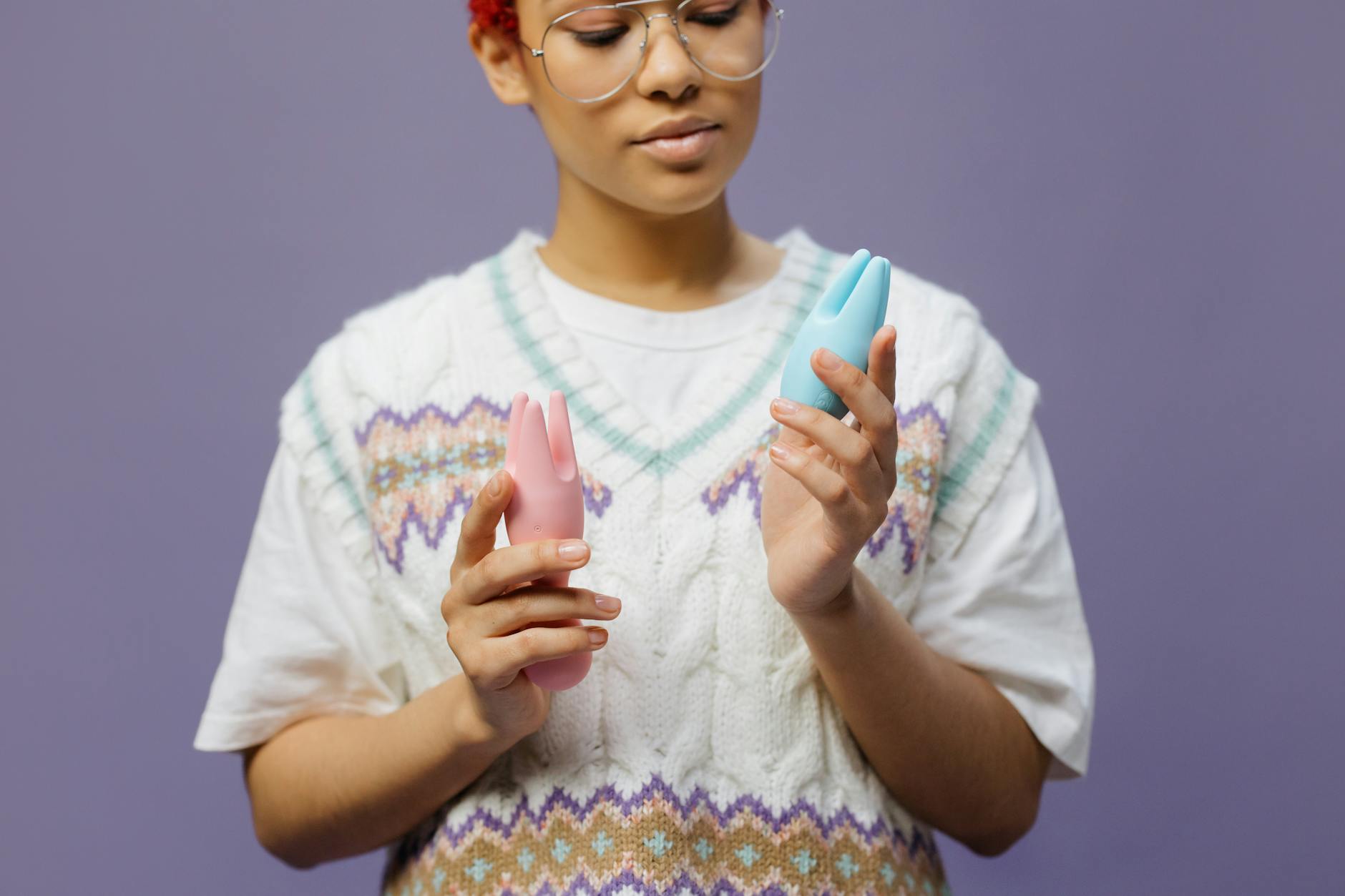
This numbness isn't permanent, but it can last weeks or months after treatment ends. And here's the part that catches people off guard: rebuilding sensation requires deliberate, gentle practice. A lemon clitoral vibrator isn't a magic fix, but it's one of the most effective tools for retraining your nervous system to feel again.
What chemotherapy actually does to sensation
Chemotherapy works by attacking rapidly dividing cells. Cancer cells divide fast, which is why chemo targets them. But your body also has other fast-dividing cells: the ones lining your mouth, your gut, and the nerve endings in your fingertips and genitals. Peripheral neuropathy (numbness in extremities) is one of the most common long-term chemo side effects, affecting up to 70 percent of people who undergo treatment.
Your clitoris has approximately 8,000 nerve endings in a space smaller than a pea. That's an incredible density of sensation in a tiny target. When chemotherapy numbs those nerves, what you lose isn't just pleasure. You lose the ability to feel arousal building, which makes it harder to relax, which makes sensation even harder to access. It becomes a loop.
The good news: sensation can return. Your nervous system has remarkable plasticity, especially when you give it the right stimulus. This is where a lemon sexual toy becomes useful not as a pleasure device, but as a sensory retraining tool.
Why a lemon vibrator works better than manual touch during recovery
After chemo, your clitoris needs consistent, predictable stimulation to "wake up" the nerves. Here's the thing about manual touch: it's variable. Your partner's pressure changes. Your own hand gets tired. The sensation is inconsistent, which confuses the nervous system rather than training it.
A lemon vibrator, by contrast, delivers steady, repetitive stimulation at a precise frequency. This consistency is exactly what a healing nervous system needs. The air-suction pattern that makes a lemon clitoral vibrator unique is particularly helpful here because it doesn't require direct friction on sensitive tissue. Instead, it creates gentle waves of pressure that stimulate the entire clitoral complex without irritating already-fragile nerves.
Think of it like physical therapy for your clitoris. You wouldn't rebuild strength after surgery by occasionally lifting weights with inconsistent form. You'd follow a structured protocol with controlled variables. A lemon vibrator is that protocol.
Starting your sensation recovery: the first week
If you're just beginning to rebuild sensation after chemo, here's what I recommend.
Start with the lowest settings. If you're using a lemon vibrator, begin at pattern 1 or 2. Forget what you knew about your body before treatment. Pre-chemo sensation is irrelevant. You're building a new baseline.
Practice for 10-15 minutes, even if you don't feel anything. This sounds counterintuitive, but sensation doesn't come back all at once. Your nervous system needs repetition to reactivate those pathways. You might feel nothing for the first few sessions. That's normal. Keep going.
Use it in a truly relaxed context. Not while you're thinking about whether sensation will return. Not during sex if that comes with performance pressure. Lie down alone, in a comfortable space, with no agenda except to notice whatever micro-sensations might appear. Pressure? Tingling? A faint warmth? Any sensation is data.
Apply lube even if you think you don't need it. Chemo can affect lubrication, and dry tissue is irritated tissue. Use a water-based lube generously. It reduces friction, which means less irritation and more focused nerve stimulation.
Moving into week two and beyond
After about a week of consistent use at the lowest settings, you'll likely notice subtle shifts. Maybe a vague tingle. A slight pressure you didn't feel before. Don't jump to higher intensity yet. Resist that urge hard.
Instead, spend another week at the same low setting. This repetition is cementing the neural pathway. Think of it as the nervous system learning the language of pleasure again. You wouldn't try to read Proust in week two of learning French. You'd stay with basics until they feel natural.
By week three or four, if you're noticing consistent sensation, you can gradually increase intensity. Move to pattern 3. Spend a few sessions there. Then try pattern 4. The goal is to slowly expand the bandwidth of sensation your nerves can register, not to chase intensity.
What happens when sensation does start returning
Here's what surprises most people: sensation returns unevenly. You might feel a sharp tingling on one side and nothing on the other. You might have moments of intense sensation followed by flatness. This patchiness is actually a sign your nervous system is reactivating. It's supposed to be messy.
During this phase, continue your protocol but adjust based on what your body tells you. If sensation feels too intense suddenly, dial back the intensity. If you're noticing numb spots, hold the vibrator there a bit longer. Listen to your body's feedback, not your impatience.
Many people also notice that sensation during this recovery phase feels different than before chemo. Maybe orgasms are quieter. Maybe arousal feels less dramatic. Maybe pleasure is more localized to specific nerve endings rather than spreading outward. This isn't worse. It's just different. And often, once you stop expecting pre-chemo sensation to return exactly, you discover new ways to experience pleasure.
Checking in with your medical team
If you're experiencing numbness that's not improving after several months post-chemo, bring this up with your oncology team. Persistent neuropathy sometimes responds to specific medications like gabapentin. Some people benefit from physical therapy focused on desensitization. There's no shame in needing additional support.
Also mention if you're using a lemon vibrator as part of your recovery. A good oncologist or sexual health specialist will understand this as therapeutic rather than frivolous. If you feel judgment in their response, that's a sign to find a different provider. Your pleasure recovery is legitimate healthcare.
When to pause and when to push forward
There's a difference between sensation that's returning slowly (keep going) and sensation that's being accompanied by pain (pause). If you experience sharp pain, burning, or any sensation that feels harmful rather than neutral or mildly pleasurable, stop and rest for a few days.
Sharp pain often signals that tissue is irritated or that you've moved too fast. This is feedback, not failure. Dial back the intensity, use more lube, and try again in a few days. If pain persists, check with your doctor. Some types of chemo-related neuropathy can involve nerve damage that needs specific treatment.
Sensation returning slowly but steadily? That's progress. Sessions where you feel nothing? Normal. An orgasm that feels different or quieter than before? Also normal and often temporary. These aren't signs to quit. They're signs to keep showing up.
The emotional layer underneath sensation
Chemotherapy is trauma. Your body was poisoned intentionally to save your life. That's a complex thing to hold. Part of rebuilding sensation is also rebuilding trust in your body. This is where having a structured practice matters beyond just nerve stimulation.
When you commit to 15 minutes a day with your lemon clitoral vibrator, you're not just retraining nerves. You're sending your body a message: "You matter. Your pleasure matters. I'm investing time in your recovery." This shift from survival mode to pleasure-orientation is profound. Many people find that their sensation returns faster once they give themselves permission to prioritize this kind of care.
If you have a partner, you might include them occasionally in this process, but keep most of your recovery practice solo. This is about your nervous system learning to feel again independent of anyone else's presence or performance. Solo practice builds confidence in a way partnered activity sometimes doesn't.
Common questions about sensation recovery and lemon vibrators
How long does it typically take for feeling to come back after chemotherapy?
It varies wildly. Some people notice improvement within weeks. Others take months. A small percentage of people experience long-term neuropathy that doesn't fully resolve. On average, most people report meaningful sensation returning within three to four months of consistent gentle stimulation. The key word is consistent. Sporadic use won't train your nervous system. Daily or near-daily practice produces faster results.
Can I use a lemon vibrator if I'm still in active chemotherapy treatment?
Check with your oncology team first. If you're actively undergoing chemo and experiencing significant neuropathy, your immune system and nerve endings are already compromised. Your doctor might recommend waiting until treatment ends to start this kind of recovery protocol. That said, once treatment finishes, you don't need to wait for perfect health to begin gently retraining sensation. Starting a week or two after your final chemo session is often fine.
Is sensation loss from chemo permanent?
Most of the time, no. Sensation typically returns, though it can take months. For about 10-15 percent of people, neuropathy persists long-term. This doesn't mean you can't have pleasure or orgasms. It means you might need different tools or approaches than you used before chemo. A lemon vibrator's gentle suction-based stimulation often works better than traditional vibration for people with persistent neuropathy because it spreads stimulation across a wider area rather than concentrating it on a single point.
What if I'm using medications that also affect sensation, like certain antidepressants?
If you're on medication that impacts sensation or arousal, you're essentially recovering from multiple sensory disruptions simultaneously. The same protocol applies: low intensity, consistency, patience. It might take longer because you're retraining nerves that are dealing with multiple chemical influences. Combining the vibrator protocol with conversations about your medications might also help. Some medications have alternatives with fewer sexual side effects. Your doctor can discuss options.
Can my partner use a lemon vibrator on me during this recovery phase?
Absolutely, but with clear communication. If you decide to include your partner, establish that they stick to lower intensity settings and longer warm-up times than you might have used pre-chemo. Many people find solo practice faster at first because there's zero performance pressure. Once sensation is reliably returning, partnered use can add intimacy and variety. The key is that it's additive, not the main practice.
What if sensation returns but orgasms still feel muted?
This is common and often temporary. Orgasm involves not just sensation but also relaxation and psychological readiness. After trauma like chemotherapy, your nervous system can be cautious about fully releasing into pleasure. Keep practicing the low-intensity vibrator protocol. As your baseline sensation strengthens, orgasm intensity often follows. It might look different than before chemo, but it usually returns.
The long game: staying connected to sensation
Once sensation is fully back and you're experiencing pleasure again, the temptation is to stop using tools like a lemon vibrator and return to whatever you did before chemo. You don't have to. Many people find that continuing to use a lemon clitoral vibrator as part of their pleasure practice is exactly what keeps sensation stable and orgasms consistent.
Think of it the way you'd think about exercise after recovering from an injury. You don't rehabilitate and then quit moving. You integrate gentle, consistent movement into your life permanently. Same with sensation recovery. A few minutes with your vibrator once or twice a week, long after chemo is distant history, is preventive care for your nervous system.
Your body survived chemotherapy. That's extraordinary. Reclaiming pleasure afterward isn't indulgent. It's reclaiming part of yourself. A lemon vibrator is just the tool that gets you there.