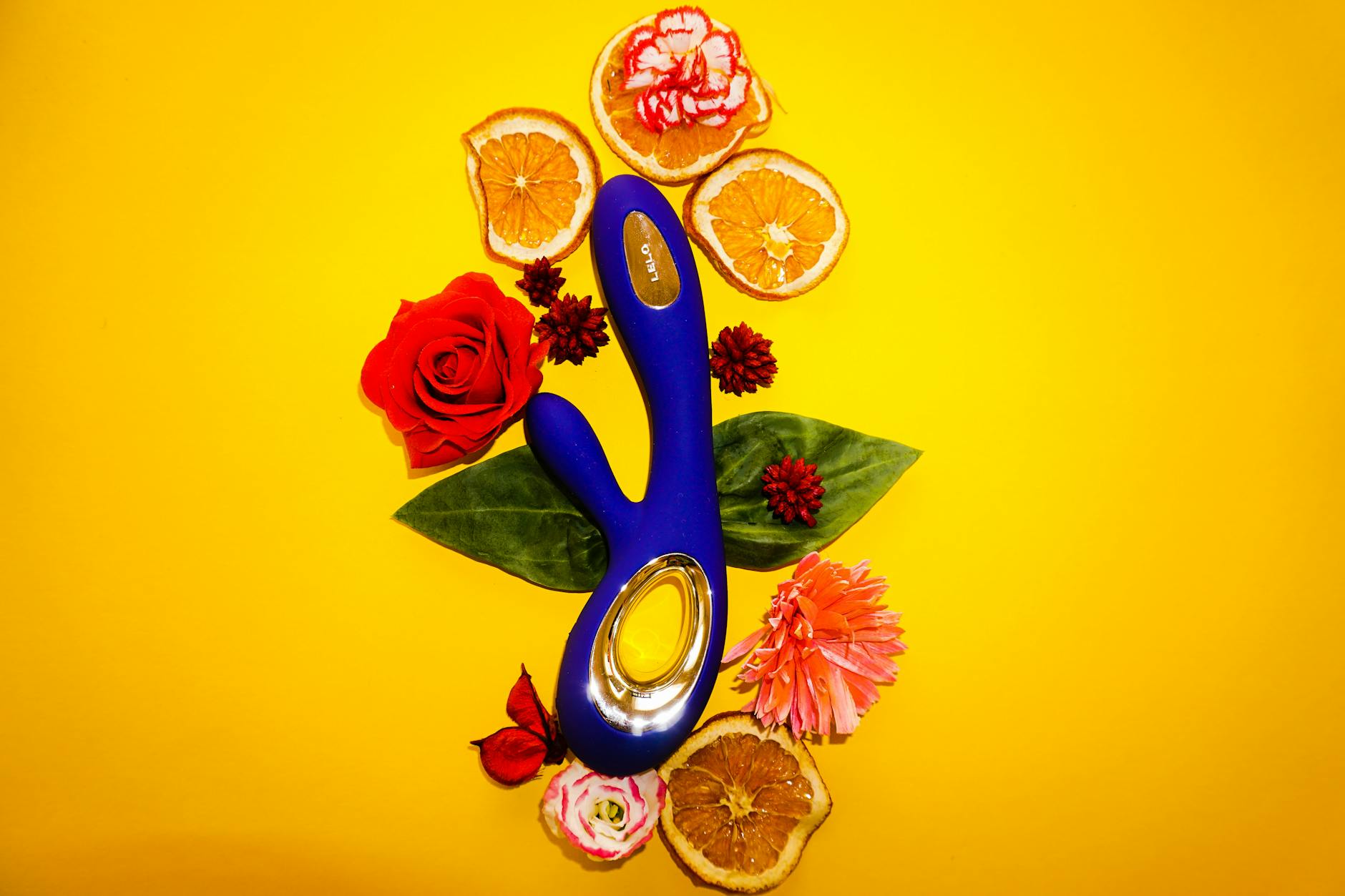
The thing nobody tells you about hormonal IUDs
Hormonal IUDs are reliable, low-maintenance, and for many people, genuinely life-changing. They're also quietly numbing. Not in a metaphorical way. The synthetic progestin they release doesn't just prevent ovulation. It blunts sensation throughout your entire pelvic region, flattens arousal, and can make orgasm feel like you're reaching for something underwater. You know it's there, but it's hard to grab.
The weirdest part? After wearing one for three, five, or seven years, you start to forget what normal sensation feels like. Your baseline becomes "muted," and you stop noticing you're missing anything until it's gone.
When you remove the IUD, your body wakes up slowly
Within the first week or two, you might feel a jolt of clarity. Suddenly orgasms are sharper. Arousal builds faster. But then the adjustment period kicks in. Hormone levels are restabilizing. Your nervous system is recalibrating. Some people describe this as sensitivity that feels almost too intense at first. Others feel like sensation is still muffled, like they're waiting for their body to fully switch back on.
This is exactly where a lemon clitoral vibrator becomes useful. Not because your body is broken, but because stimulation tools help accelerate the reconnection between your nervous system and sensation.
Why clitoral vibrators speed up sensation recovery
When your body has been on hormonal dampening for years, the neural pathways for pleasure are still intact. They're just sluggish. A high-quality clitoral vibrator like the Lem does several things at once.
First, it provides consistent, targeted stimulation that your nervous system can reliably recognize and respond to. Unlike manual touch, which varies in pressure and rhythm, a vibrator gives your body predictable input. Your nervous system loves predictability. It's how it learns to trust sensation again.
Second, the suction mechanism of lemon vibrators works differently than traditional vibration. Instead of a buzzing motion, suction creates a gentle pulling sensation that stimulates a wider nerve network around the clitoris. This is particularly helpful if you're feeling numb or if sensation feels distant. You're not forcing intensity. You're coaxing your body to notice.
Third, and honestly the most important part, using a vibrator gives you agency over the experience. You control the intensity, the rhythm, the duration. After years of a device making decisions about your hormones and sensation, that reclaimed control matters psychologically and physiologically.
The first few weeks: building back slowly
If you've just had your IUD removed, here's what actually helps.
Start with solo exploration. This sounds basic, but many people jump back into partnered sex immediately, which adds performance pressure on top of an already confusing adjustment. Give yourself 7 to 10 days alone first. Your body needs permission to feel without audience.
Set a low bar for the first session. Don't expect an orgasm. Expect to notice what sensation feels like now. Start with the Lem at pattern 1 or 2, and spend 10 minutes just paying attention. What feels different? What feels numb? Where does sensation appear first? This is gathering data, not chasing pleasure.
Stretch it over multiple short sessions rather than one long one. Your nervous system is learning to feel again. Three sessions of 12 minutes each teaches your body more than one 30-minute marathon. You're building a habit of attention, not trying to force an outcome.
Use water-based lubricant even if you don't think you need it. Hormonal IUDs often come with vaginal dryness that lingers after removal. Adding lube isn't about needing it. It's about reducing friction that could feel uncomfortable when sensation is already heightened. Comfort lets you focus on what you're feeling rather than managing irritation.
When sensation feels overwhelming
For some people, the rebound hypersensitivity after IUD removal is real and uncomfortable. If you find yourself touching the Lem and immediately pulling away because it feels too intense, you're not broken. You're rebounding.
Turn the intensity down further. If pattern 1 feels like too much, hold the vibrator further from your clitoris. Let the sensation diffuse through the surrounding tissue first. Your clitoris itself has thousands of nerve endings packed into a tiny area. When you're rebounding, direct contact can feel like static. Indirect stimulation through the broader vulva helps your nervous system ease into it.
Also try this: use the vibrator over your underwear for the first few sessions. Cotton muffles the intensity just enough that your body can register the sensation without the shock. It sounds silly, but it works.
After the first three to four weeks
Most people report that sensation normalizes within 2 to 4 weeks of IUD removal, though this varies wildly based on how long you wore it and your individual neurochemistry.
Once you're past the immediate adjustment period, using a lemon vibrator shifts from "sensation recovery tool" to "pleasure tool." Now you're not just noticing sensation. You're building toward orgasm, exploring rhythm, figuring out what your post-IUD body actually likes.
Many people discover that their pleasure preferences have shifted. Maybe you used to prefer firm, fast stimulation. Now gentler, sustained pressure feels better. Maybe you liked partnered sex exclusively and now solo exploration with the Lem is weirdly satisfying. Maybe you never used vibrators before and now you can't imagine why you waited. This isn't your body changing. It's your body showing you what it actually wanted all along when it wasn't being chemically muffled.
If you have a partner through this transition
The most useful conversation isn't about sex. It's about patience and curiosity. Your partner doesn't need to understand what hormonal IUD removal feels like. They need to understand that your body is recalibrating, and that looks like you asking for more time, different timing, or trying things (like using the Lem together) that you haven't tried before.
If you're using a lemon vibrator solo during this period, you don't need your partner's permission or involvement. This is your nervous system's recalibration. That said, if you want to involve them, start with conversation, not demonstration. "I'm adjusting to no longer being on the IUD. My sensation is coming back in waves. I'm using a vibrator to help me reconnect with my body. Want to explore together?" is wildly different from surprising them with a toy mid-foreplay.
Photo by cottonbro studio on Pexels
Some partners find this whole process interesting and want to participate. Others feel more helpful staying in their lane while you handle your own recalibration. Both are fine. The goal isn't performance or proving anything. The goal is reconnecting with sensation and pleasure on your own terms.
The bigger picture: reclaiming sensation is reclaiming agency
Hormonal IUDs are valid reproductive choices, and they've been genuinely beneficial for many people. The numbness they create is a documented side effect, not a personal failing. When you remove the IUD, reclaiming sensation isn't just about sex. It's about reclaiming your body's ability to feel, to respond, to have preferences.
Using a lemon clitoral vibrator during this transition isn't a hack or a workaround. It's a tool for accelerating what would happen anyway. It's you taking an active role in reconnecting with your own nervous system. And honestly, that agency itself is part of what makes the experience feel different.
If sensation doesn't normalize within 6 to 8 weeks, or if numbness feels more severe than expected, talk to your doctor. Sometimes there are other factors at play, and a healthcare provider can help troubleshoot. But for most people, a combination of time, patience, and targeted stimulation using tools like the Lem gets sensation back to baseline faster than waiting alone.
Your body remembers how to feel pleasure. It's just taking the scenic route to get back there.
People also ask
How long does it take to feel normal sensation after removing a hormonal IUD?
Most people notice significant changes within 1 to 2 weeks and feel mostly back to baseline within 4 to 6 weeks. That said, hormone rebalancing is individual. For some it's 2 weeks. For others it's 3 months. The longer you wore the IUD, the longer recalibration often takes. This doesn't mean something's wrong. It means your endocrine system needs more time to shift back into its pre-IUD groove.
Can using a vibrator after IUD removal cause damage or interfere with healing?
No, assuming your IUD removal was routine and uncomplicated. Your uterus and pelvic floor aren't damaged by the removal itself. Gentle clitoral stimulation with a vibrator doesn't stress the pelvic floor or interfere with hormonal rebalancing. What matters is starting gently, respecting what feels good, and stopping if you experience sharp pain (which would signal something worth mentioning to your doctor, though this is rare).
Why does sensation feel weird or overwhelming right after IUD removal?
This is sometimes called rebound hypersensitivity. After years of hormonal dampening, your nervous system suddenly has access to full sensation again. For some people, this feels like an overwhelming jolt. Your body isn't malfunctioning. It's recalibrating. Think of it like turning up the volume on a speaker after years of mute. Everything's loud at first. Using a vibrator at low intensity helps your nervous system adjust gradually rather than all at once.
Should I use a vibrator solo or with a partner during IUD removal recovery?
Both are fine, but solo exploration first gives you important information without performance pressure. You get to notice what feels good on your timeline. Once you're comfortable, adding a partner back in is usually easier. If you involve a partner from day one, the experience gets tangled with whether your partner is doing it right, which adds mental load to an already sensitive process. Give yourself permission to explore alone first.
Does the type of vibrator matter for sensation recovery?
Yes, somewhat. Suction-based vibrators like the Lem are particularly useful because they work on a broader area of the vulva and don't rely on direct intense contact. If you're rebounding from IUD removal and sensation feels delicate, a clitoral suction vibrator lets your nervous system ease into stimulation. Traditional buzzing vibrators can work too, but they're easier to turn down too low or feel too intense at even the lowest setting. A quality clitoral vibrator gives you more control over intensity range.
Will using a vibrator help my hormones rebalance faster?
Not directly. Using a vibrator doesn't accelerate hormonal rebalancing itself. What it does is help your nervous system recognize and respond to sensation again, which can make the adjustment period feel less disorienting. You're not speeding up biology. You're helping your brain and body reconnect while biology does its thing. That psychological recalibration matters, even if the actual hormone timeline stays the same.
Ready to explore your post-IUD body
If you're in the window right now where you've just had your IUD removed and sensation feels like a mystery, remember this: your body didn't forget how to feel. It was just under the influence of a small device making neurochemical decisions for you. Now you get to take that decision back.
Start small, stay curious, and let your body tell you what it needs. If you're ready to get reacquainted with pleasure, consider exploring with a quality clitoral vibrator. Or if you want to talk through what recovery looks like for your specific situation, reach out. You don't have to figure this out alone.