Let's name what's happening
Some medications work by dulling sensation. Certain antidepressants, blood pressure meds, and antihistamines can flatten arousal and make orgasm feel distant or impossible. It's not that pleasure is gone. It's that the signal between your body and brain got quieter. And that's fixable.
If you've noticed your clitoris feels less responsive, or you're taking longer to feel turned on, or orgasms have become faint echoes of what they used to be, medication numbing is a real possibility worth naming with your doctor. But while you're investigating whether to adjust your dose or switch meds, you can also start rewiring your sensitivity right now. A lemon vibrator is one of the most direct tools for this work.
Why numbing medications affect sensation differently than other causes
Most sensitivity loss comes from stress, hormone shifts, or relationship friction. Those are real, but they often have a psychological component you can work with. Medication numbing is different. It's chemical. Your brain isn't making the usual neurotransmitters that drive desire and pleasure response. Your nerve endings aren't firing at their baseline frequency.
This means standard advice like "relax more" or "focus on intimacy" won't solve it. You need a tool that bypasses the problem and retrains your nervous system to recognize and respond to stimulation. That's where a clitoral vibrator becomes therapeutic rather than just enjoyable.
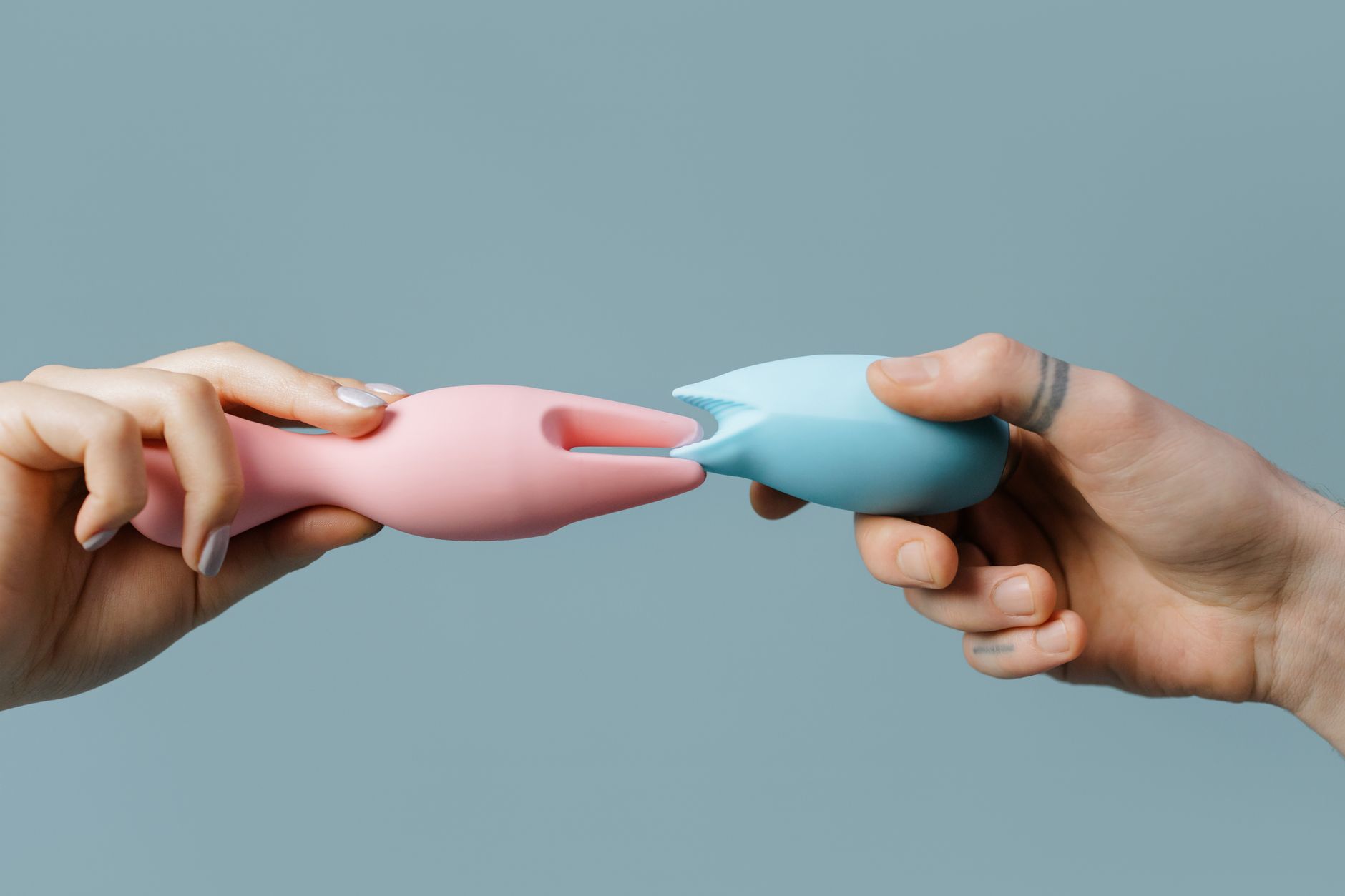
The suction-based design of a lemon vibrator is particularly useful here because it doesn't rely on you feeling subtle sensation. It creates a specific, unmistakable stimulation pattern that your nerve endings can't ignore. Even if everything else feels muted, you'll feel this.
Starting the sensitivity rebuild process
Begin by touching your clitoris without the vibrator. Spend a few minutes exploring how it feels right now, without judgment. Is it numb to light touch? Does it respond better to pressure? Does it feel better at certain times of day? This baseline matters because you'll use it to measure progress.
Then, turn on your lemon vibrator at the lowest setting. Place it directly over your clitoris and just hold it there. Don't move it. Don't press harder. Just observe what you feel. If you feel nothing, stay with it for 30 seconds and notice any micro-sensations. Heat. Vibration. Awareness of the contact itself.
Repeat this 3-4 times per week, always at the lowest setting. The goal is not orgasm. The goal is teaching your body to recognize and register stimulation. Think of it like reading glasses for sensation. You're giving your nerves permission to pay attention again.
Building intensity gradually, not rushing
After one week of baseline lowest-setting use, move to pattern two if available. Spend another week there. Then pattern three. This slow climb matters because you're not trying to force an orgasm. You're training your nervous system to wake up incrementally.
Your body has learned that sensation isn't available. It's deprioritized arousal signals to conserve energy. Jumping straight to high intensity won't convince it that sensation is back. Gentle, consistent exposure does. It's like learning to hear again after time in silence. You need the quiet sounds first.
During this phase, don't pressure yourself to orgasm. If one happens, great. If not, that's fine. You're rebuilding the foundation. Orgasm is a later milestone.
The role of lubrication and patience
Water-based lubricant becomes your friend here, even if you're producing natural lubrication. It reduces friction and makes sensation clearer. Apply it generously, then place your lemon clitoral vibrator directly on your clitoris. The lube helps the vibrator make better contact and also signals to your body that this is a safe, pleasurable activity.
Many people report that sensation starts returning after 2-3 weeks of consistent practice. Some take 6-8 weeks. Medication type, dose, and your individual biology all matter. If you're on an SSRI antidepressant, rebuilding often takes longer than with other med classes. This isn't a race. Consistency beats intensity every time.
Set a realistic expectation. You're not trying to feel like you did before the medication. You're rebuilding new capacity for pleasure under your current biological reality. That's actually more sustainable.
When to bring a partner into the sensitivity work
If you have a partner, there's a specific order to this: first, rebuild your own sensation solo. Understand what your body responds to now. Then, share that knowledge with your partner. Show them the intensity levels that work, the patterns that register, the timing that helps.
Many partners feel rejected or hurt when medication numbing happens. Involving them in the rebuild can shift that dynamic. Instead of "my body isn't responding to you," it becomes "we're figuring out my body together." That's a collaborative process, not a failure.
One practical tip: if partner touch still feels too subtle, suggest they use the vibrator on you first, then move to their hands once your sensitivity has started recovering. This removes the pressure for them to feel like they're doing something wrong and gives you both a concrete tool.
What to discuss with your doctor while you rebuild
Don't do this work silently. Tell your prescriber that medication has affected your sexual response and ask about timing. Some meds have windows where sensitivity is slightly better. Some medications can be taken at different times of day to shift when side effects peak. Some have alternatives with fewer sexual side effects.
You might hear "this is just a trade-off." Push back gently. Good prescribers understand that sexual function matters to quality of life and will troubleshoot with you. It might mean switching to a different med in the same class, adjusting your dose, or adding something to counteract the numbing. These conversations take time, but they're worth it.
Meanwhile, your lemon vibrator work isn't a replacement for medical conversations. It's parallel work. You're optimizing what you can control while your doctor optimizes your medication.
The mental piece: rebuilding trust in your body
Here's the part that takes longer than the physical rebuild. After months or years of medication numbing, you stop expecting pleasure to be available. Your brain learns "this isn't for me right now." Reactivating pleasure requires undoing that belief.
This is where patience with yourself becomes crucial. If you use your lemon vibrator and feel nothing for weeks, that's normal. Keep going. Your body is listening, even if you can't feel it yet. The first sign of return often isn't a big orgasm. It's a subtle shift. A slight tingle. A moment where you actually felt something. Notice that. Acknowledge it. Let it matter.
Many people find that journaling their sensitivity rebuilding helps. "Week 3, pattern 2, noticed warmth for the first time." Small progress documented becomes motivation to keep going.
Common questions as you rebuild
You might wonder if it's normal to feel frustrated or grief when sensation is slow to return. Yes. You might feel angry at your medication, your doctor, your body. That's valid. Pleasure is part of being human, and losing it, even temporarily, is a loss worth acknowledging.
You might also worry that sensation won't come back. Most people do see improvement with consistent practice and medication adjustment. But even if your baseline sensitivity stays lower than before, you can absolutely learn to experience satisfying pleasure from where you are now. Many people discover that their relationship with pleasure actually deepens when they stop expecting it to look the way it used to.
If after 8-10 weeks of consistent use you're seeing no change, revisit your doctor and consider whether a medication switch makes sense. Sometimes rebuilding needs to happen at the medication level first.
Staying consistent when motivation is low
One barrier people hit is that consistent practice feels tedious when you're not feeling results yet. Reframe it. You're not doing this to feel good right now. You're doing this to give your body permission to feel good in the future. That's an act of faith in yourself. It matters.
Schedule it. Same time, same place, same number of sessions per week. Consistency trains your nervous system faster than sporadic, intense effort. Three times weekly for six weeks beats once-weekly intensity. Your body learns that sensation is regular and reliable again.
Consider pairing your lemon vibrator practice with something grounding. A specific playlist. A candle. A quiet room where you know you won't be interrupted. These rituals signal to your brain that this is a priority, not something you're squeezing in between other tasks.
When you start feeling return
The first real sign often feels small. You might notice your clitoris is slightly more responsive to light touch outside of vibrator use. Or an orgasm that felt impossible suddenly happens. Or sensation that was flat and distant starts having texture again.
That moment is worth celebrating. Not because one orgasm means you're fixed, but because your body just proved to you that rebuilding is real and possible. That's momentum. That's proof that consistent, patient work with yourself pays off.
From there, you can explore different intensity settings as sensation continues returning. You might try partnered exploration once your solo sensitivity has stabilized. You're not starting from square one anymore. You're starting from a foundation you've actively rebuilt.
The bigger picture
Medication numbing is one of the harder sensation challenges to navigate because it requires patience, medical partnership, and consistent self-directed practice. But thousands of people have successfully rebuilt their pleasure capacity after this exact experience. Lemon vibrators have become essential tools in that process because they create sensation that's unmistakable enough to reach through the numbness.
Your pleasure matters. Your body's capacity to feel and respond deserves attention and care, even when rebuilding takes weeks or months. If you're navigating this alongside a partner, the sensitivity work is also an opportunity to communicate, collaborate, and deepen trust. If you're rebuilding solo, you're doing important self-work that strengthens your relationship with your own body.
This isn't a failure of your body. This is a medication side effect that's both real and addressable. You have tools, you have a timeline, and you have every reason to believe in the process.
Frequently asked questions
How long before I feel sensation return with a lemon vibrator?
Most people notice some shift within 3-4 weeks of consistent use at the lowest settings. Full sensation recovery often takes 6-8 weeks or longer, depending on medication type and your individual biology. The timeline varies widely. Consistency matters more than how quickly progress appears. If you're not seeing any change after 8 weeks, check in with your doctor about whether a medication adjustment might help accelerate the process.
Can I use a higher intensity setting to speed up sensitivity rebuilding?
No, and here's why: your nervous system has learned to ignore or deprioritize sexual signals. Shocking it with high intensity doesn't retrain it. It just creates frustration when you don't feel the high-intensity stimulation either. Start low and climb slowly. Your body learns that sensation is safe and available when you're consistent at each level before moving up.
Should I stop my medication while rebuilding sensation?
Never stop medication without your doctor's guidance, even though the sexual side effects are frustrating. Instead, have a specific conversation with your prescriber about the timing and type of side effect you're experiencing. They might adjust your dose, suggest taking it at a different time of day, switch you to an alternative medication, or add something to counteract the numbing. Medical partnership is part of the solution.
What if my partner feels hurt by my numbness and doesn't want to engage in this rebuilding process?
This is a relationship conversation, not just a sexual one. Your partner might feel rejected, undesirable, or uncertain about what to do. Consider framing the rebuilding as collaborative work. Share what your lemon vibrator practice is helping you discover. Show them how they can participate. If communication breaks down, working with a couples counselor can help you both navigate medication side effects without resentment building up. Your partner's feelings are valid and your pleasure is also valid. Both can be true.
Is it normal to feel grief or anger during sensitivity rebuilding?
Completely normal. You've lost access to a part of yourself, even if temporarily. That's a real loss, and it deserves acknowledgment. Some people feel angry at their medication, their doctor, or their body. Some feel grief that pleasure isn't what it used to be. Those feelings don't mean the rebuilding isn't working. They mean you're human. Processing emotion alongside the physical work often makes the whole process smoother.
Can I use my lemon vibrator if I'm also taking other sexual function supplements?
Possibly, but talk to your doctor first. Some supplements interact with medications or can create unpredictable effects. Your doctor knows your full medication profile and can tell you whether adding something like L-citrulline or ginseng is safe alongside what you're currently taking. The safest approach is to rebuild sensation first with just your lemon vibrator, then explore other tools once your baseline has stabilized.
What if sensation starts returning and then stops again?
This happens sometimes, especially if medication was adjusted or your stress level spiked. Your nervous system is sensitive to change. If you notice sensation plateauing or retreating, return to lower intensity settings for a week or two, then gradually climb again. Also check in with yourself about stress, sleep, and whether any other life changes happened. Sensation rebuilding isn't perfectly linear. Plateaus are normal.