Here's the thing about clitoral discomfort
Let's be real: if direct touch to your clitoris feels raw, burning, or almost electric in the worst way, you're not broken. And you're not alone. This is one of the most common friction points (literally) I hear about, and it's almost always fixable.
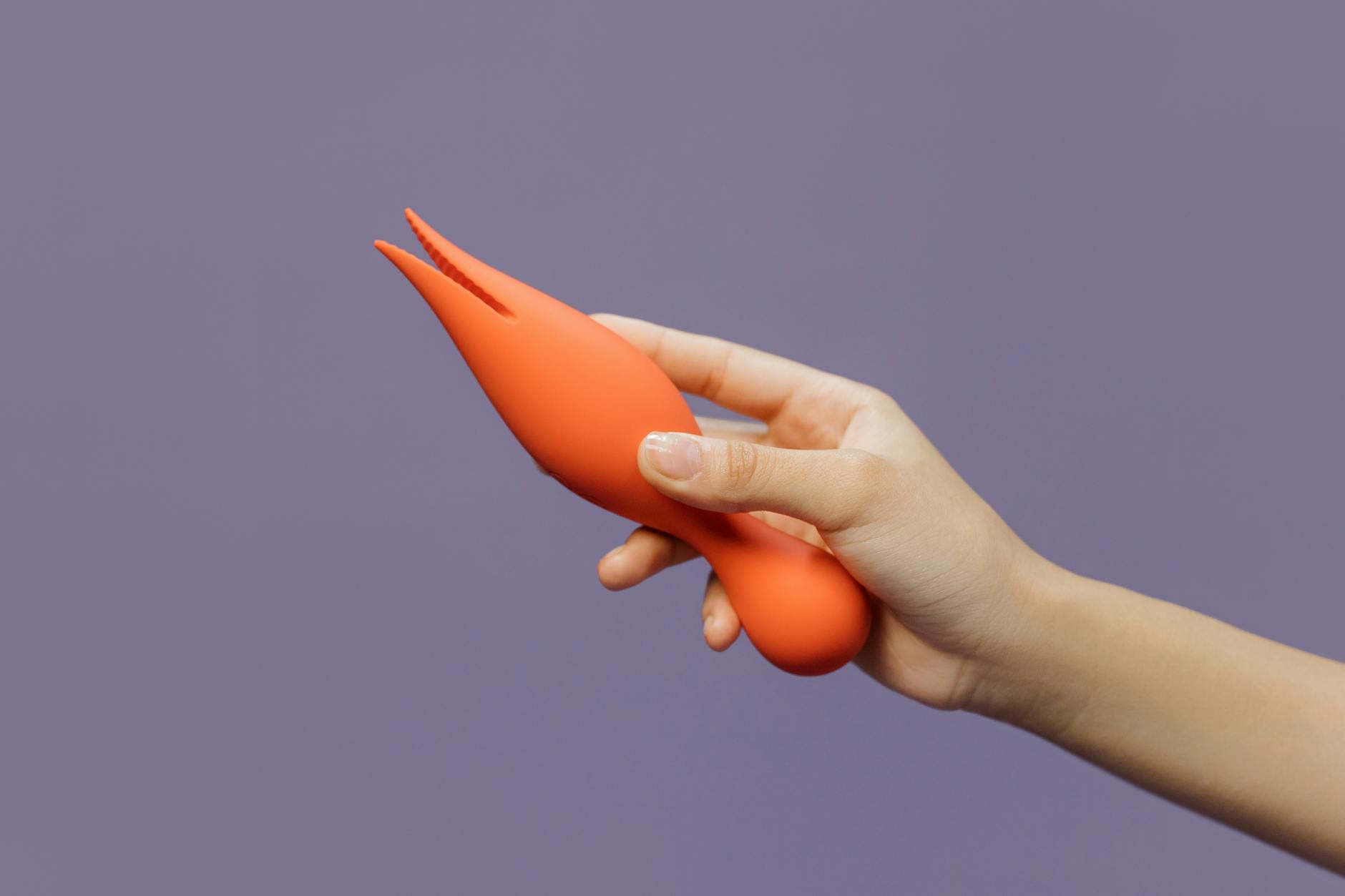
The problem isn't that your clitoris doesn't want stimulation. It's that direct friction in the traditional sense—fingers, direct vibration, pressure—can overwhelm nerve endings that are already sensitized. The good news? Air-suction lemon vibrators like those from Lemon Clit work on a completely different principle, and they can actually be the entry point back to pleasure when everything else feels too much.
Why external touch hurts in the first place
Clitoral discomfort usually comes from one of three sources.
Overuse or micro-trauma. If you've been using a vibrator on high speed for years, or you've got a lot of friction from partners or your own hand, the tissue gets irritated. Think of it like a chapped lip—your skin needs recovery time, and direct contact makes it worse.
Hormonal shifts. Lower estrogen (perimenopause, postpartum, after stopping birth control) makes clitoral tissue thinner and more reactive. The same touch that felt fine at 25 might genuinely hurt at 35 or 40. This is especially common after you've stopped hormonal birth control—the tissue is readjusting.
Nerve sensitization. Sometimes the nerves themselves are firing on a lower threshold. You touch your clitoris and it's like touching a sunburned shoulder. The area isn't damaged, but the sensory signal is amplified. This happens with anxiety, depression recovery, trauma history, or sometimes just random neurological sensitivity.
Why air-suction technology changes the game
A lemon vibrator uses suction and pulsing air patterns instead of direct vibration or friction. This is a game changer for uncomfortable clitorises.
Instead of pressure against delicate tissue, suction creates a gentle gathering sensation that stimulates the entire clitoral structure, not just the surface. It's less like rubbing and more like a soft pulse drawing sensation inward. For people with sensitized tissue, this feels completely different—often actually pleasurable where direct touch was painful.
The Lem vibrator, for example, uses gentle air-pulse patterns that you can start on the lowest setting (pattern 1 or 2) and barely feel at first. You're not vibrating a raw nerve ending. You're creating a sensation pattern that the whole clitoral system can respond to without overwhelm.
How to restart sensation when touch feels too raw
Three key steps to rebuild comfort and pleasure.
Step 1: Give yourself real recovery time first
If your clitoris is actively painful, don't go straight to any vibrator yet. Give it 3 to 5 days of zero direct contact. Wear soft underwear, avoid friction during daily movement, and let it actually calm down. You can't rewire the nervous system while you're actively irritating it.
During this window, take warm baths (not hot), avoid scented soaps on that area, and genuinely leave it alone. This isn't giving up on pleasure. It's the foundation for coming back to it.
Step 2: Start with indirect suction at the lowest setting
When you're ready to reintroduce sensation, position a lemon clitoral vibrator about a half-inch away from your clitoris, not directly on it. Use the lowest air-pulse pattern (usually pattern 1 on the Lem).
The suction will draw the area gently upward, but you're not applying direct pressure. This is the sweet spot for sensitized tissue. You might feel almost nothing at first, and that's fine. You're teaching your body and your nervous system that touch can be safe again.
Step 3: Gradually move closer and increase intensity
After a few sessions at distance and low intensity, you can move the vibrator slightly closer and try the next pattern up (pattern 2 or 3). Move slowly. Some people take weeks to get from pattern 1 to pattern 3, and that's not slow—that's smart.
The goal is to rebuild sensation gradually so your nervous system stops sending pain signals. You're retraining the area to respond with pleasure instead of defensive sensitization.
The role of relaxation and environment
Here's something that makes a massive difference and almost nobody talks about: your clitoris responds to your whole nervous system state. If you're anxious, tense, or braced against discomfort, the tissue stays tight and reactive.
Before you use any vibrator, spend 10 to 15 minutes actually relaxing. Warm bath, soft lighting, slow breathing. Get your heart rate down. This isn't meditation fluff—it's actual physiology. When your parasympathetic nervous system (your rest-and-digest mode) is active, blood flow increases to the clitoris, tissue becomes more elastic, and nerve endings respond with pleasure instead of pain.
If you have a partner, this is also the moment to ask for non-sexual touch. A back rub, scalp massage, hand-holding. Get your whole body into a state of safety and pleasure before you introduce any stimulation to the area that's been uncomfortable.
When to bring a partner in (and how)
If you're in a relationship and your clitoral discomfort has affected your sex life, your partner needs to understand this isn't rejection. It's a nervous system recalibration.
I recommend starting your Lemon vibrator exploration solo first. Get comfortable with the sensation on your own, figure out what patterns and positioning feel good, and rebuild confidence that pleasure is possible again. Then, when you're ready, show your partner. Let them hold the vibrator while you guide the angle. Make it collaborative, not something they're doing to you.
This matters because if your partner has been trying to touch you and it's been painful, they might be carrying guilt or confusion. Showing them the new approach—"I can feel pleasure with this, and I'd love for you to help me use it"—reframes the whole dynamic from broken to evolving.
What else helps while you're rebuilding
Four practical things that genuinely speed recovery:
Keep lubricant on hand. Even with suction vibrators, a tiny bit of water-based lubricant around (not on) the clitoris helps. It reduces any friction from the air seal and makes the whole experience feel less clinical.
Use a lemon vibrator in the shower. Warm water relaxes tissue and creates a private, low-pressure environment. Some people find their first pain-free sensation happens in the shower with warm water on their whole body.
Track your patterns. Keep a simple note of which settings feel good and which feel raw. You're building data about your own body. After two weeks, you'll see progress you might not notice day to day.
Talk to a doctor if it doesn't improve. If direct touch still feels painful after four weeks of gentle Lemon vibrator use and recovery time, there might be something like vulvodynia or another condition worth addressing with a pelvic floor specialist. That's not failure. That's information.
Why this actually works long-term
The reason I see so many people rebuild sensation with lemon clitoral vibrators is that suction addresses the core problem: it stimulates without triggering defensive pain responses. You're not pushing through discomfort. You're literally changing the type of sensation your clitoris receives.
Over time, as your nervous system learns that clitoral stimulation can feel good again, direct touch often becomes comfortable again too. Some people stick with Lemon vibrators long-term because they just prefer the sensation. Others use them as a bridge back to partnered touch or other toys. Both are wins.
Your clitoris hasn't forgotten how to feel pleasure. It's just protecting itself right now. A lemon sucker gives you a way back in that honors that protection while slowly rewiring the signal.
Your clitoris wants to feel good. Sometimes it just needs a different approach to get there.
Common questions about using Lemon vibrators for uncomfortable clitorises
Can I use a Lemon vibrator if I have vulvodynia?
Maybe, but check with your pelvic floor specialist first. Vulvodynia responds differently depending on the type (provoked vs. unprovoked, localized vs. generalized). Some people find air-suction vibrators helpful for vulvodynia. Others find they need different approaches. Don't guess—ask your provider.
How long until external touch stops hurting?
This varies wildly. Some people see improvement in 2 to 3 weeks. Others need 6 to 8 weeks of consistent, gentle use. The slower you go, the more likely the change sticks. Rushing it often resets the clock.
Is it okay to use a Lemon vibrator every day while I'm rebuilding?
Yes, but "use" might mean 5 to 10 minutes of low-intensity sensation, not 20 minutes on high. You're not trying to orgasm. You're training your nervous system. Less is more here.
What if my partner thinks we should just push through the discomfort?
That's a conversation, not a biomechanics problem. Pushing through pain doesn't build resilience. It builds resentment and defensive tissue responses. If your partner won't support a gentler approach to rebuilding, that's a relationship issue worth addressing separately.
Can I combine a Lemon vibrator with a partner's touch?
Absolutely. Many people find the combination of suction from the vibrator plus soft touch elsewhere (breast, inner thighs, neck) helps them relax into sensation. Again, start with the vibrator as the main event and partner touch as supporting pleasure.
Should I use the highest setting once I rebuild sensation?
Not necessarily. Just because you can tolerate high intensity doesn't mean you want to. A lot of people find that lower-to-medium patterns on a lemon clitoral vibrator feel more sustainable long-term. You're not building tolerance to pain. You're building pleasure range.
The real point
Clitoral discomfort stops a lot of people from exploring pleasure, and that's tragic because it's so often fixable. A lemon vibrator isn't the only answer, but it's a really practical one that actually works with sensitized tissue instead of against it.
If external stimulation has been painful or overwhelming, you don't need to white-knuckle your way through it or give up on sensation. You need a different approach. That approach starts with recovery, continues with gentle reintroduction, and often includes tools like air-suction lemon vibrators that respect your nervous system's current state while slowly opening the door back to pleasure.
Your body isn't broken. It's just asking for patience, gentleness, and the right technique. That's completely reasonable. And it's completely doable.
If you're still feeling stuck after trying these approaches, reach out—we're here to help you figure out what's next.