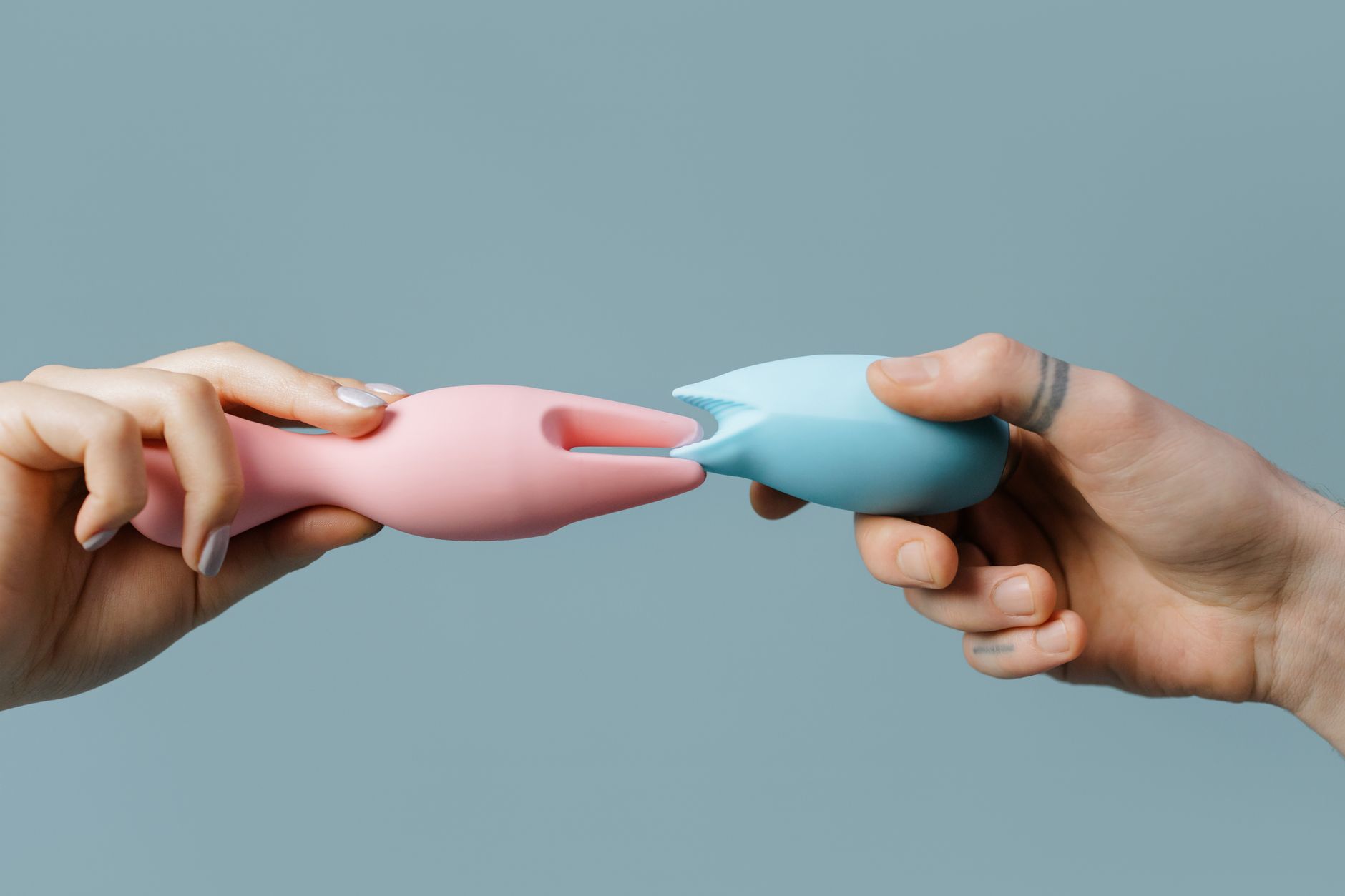
Let's name what's actually happening
If pleasure feels unsafe right now, that's not a character flaw. That's your nervous system protecting you. When someone violates your body or your trust, pleasure becomes a minefield. Your brain starts running threat-detection software every time your body gets close to feeling good. You might tense up without knowing why. You might go numb. You might start spiraling.
The good news: this is treatable. Not with therapy alone (though that helps), and not with forced relaxation. But with slow, deliberate rebuilding. And a tool like a lemon vibrator can actually accelerate that process if you approach it right.
I've worked with people rebuilding pleasure after every kind of hurt. What I've seen is that you don't heal by pushing through discomfort. You heal by proving to your nervous system that pleasure can be safe, controllable, and yours alone.
Why control is the actual foundation
Here's the piece therapists sometimes skip: pleasure after hurt requires absolute control. Not compromise, not negotiation with a partner. You need to own every variable.
With a partner, there's always uncertainty. Will they respect my boundary? Will they push? Am I allowed to change my mind mid-act? Will they interpret me saying no as rejection?
With a solo vibrator like the Lemon Clit clitoral vibrator, those doubts evaporate. You control the speed. You control how long it runs. You control when you stop. You control the pressure and rhythm. If something feels off, you adjust instantly. No discussion. No negotiation. No guilt.
This control is what rewires your nervous system. Each time you initiate pleasure and stop at will, your brain updates its threat assessment. It learns that pleasure doesn't mean losing power.
The three-phase rebuild
Don't jump into using a vibrator yet. This only works if you sequence it properly.
Phase 1: Reconnect with sensation (no vibration, no goal)
Start with touch. Not sexual touch. Wash your hands and then press them against different parts of your body. Notice temperature, texture, pressure. Lie down and feel the weight of your body on the bed. Run your fingertips along your forearm. Squeeze your biceps gently. Pay attention without judgment.
This phase reestablishes a basic conversation between you and your body. No performance. No destination. Just noticing.
Spend a week here, minimum. Some people spend two.
Phase 2: Approach the area (still no vibration)
Now focus touch on your legs, inner thighs, and the outer areas of your genitals. No pressure to feel anything. No pressure to get aroused. The goal is desensitization through repetition. Your threat-detection system is oversensitive right now. Gentle, repeated touch teaches your nervous system that this area can be touched without danger.
Many people find they start feeling heat or slight tingling here. Some feel nothing. Both are fine. You're building familiarity, not chasing sensation.
Stay here for another week or two.
Phase 3: Introduce the vibrator (now with control)
When you're ready, take out your lemon clitoral vibrator. Put it in your hand fully clothed. Feel the weight. Feel the shape. Press the button (if it has one). Get comfortable with the object itself before it ever touches you.
Then, on a night when you feel settled, try this: set aside 15 minutes with no other demands. Lie down. Use it on the outer labia only, never directly on your clitoris yet. Start at the lowest setting.
The goal is not to orgasm. The goal is to notice whether your body feels safe. If you feel panic, numbness, or a flood of unwanted memories, stop. That's information. It tells you that you need more time in Phase 2.
If you feel warm, tingly, or curious, keep going.
As comfort grows over sessions, you can gradually increase intensity and move to direct clitoral contact. But there's no timeline. Some people take a month to feel ready for direct stimulation. Some take three months. Your pace is the right pace.
When flashbacks or panic show up
They will. This is normal in healing.
If you're mid-session and suddenly memories flood back, don't fight them. Stop using the vibrator. Turn it off completely. Put it aside. Breathe. You can try grounding techniques: name five things you see, four you can touch, three you hear, two you smell, one you taste. This brings you back into the present moment.
After a grounding moment, gently touch yourself in non-sexual ways. Rub your arms. Feel the bed beneath you. Remind your body that you're safe and that you chose to stop.
Then take a few days off. Your nervous system just had important information: you are in control, and you will stop if needed. That's healing.
The role of a partner (if you have one)
If you're partnered, solo vibrator exploration isn't about excluding them. It's about rebuilding your own baseline first.
Honestly though, many people find that once they've rebuilt confidence and trust with themselves, partnered intimacy becomes less fraught. You're not waiting for someone else to give you permission to feel good. You already know you can.
If your partner wants to be involved eventually, that's a separate conversation. The Lemon Clit lemon vibrator can be part of partnered play, but only after you've reclaimed your own pleasure solo.
Make that clear upfront.
Why a lemon vibrator specifically helps
The air-suction mechanism on a clitoral vibrator like the Lemon Clit is genuinely gentler than conventional vibration for people in nervous system recovery. There's less intensity on the tissue, which means less chance of overstimulation triggering your threat response.
Also, the sucking sensation mimics manual stimulation more naturally, which can feel more familiar and less jarring than a buzz.
Start on the lowest intensity and don't move up until the current level feels boring, not uncomfortable.
When to bring in a therapist
If memories persist, or if you notice you're completely numb even after weeks of gentle practice, work with a trauma-informed therapist. This isn't a sign you've failed. It's a sign you need professional support, possibly EMDR or somatic therapy, alongside solo practice.
Pleasure rebuilding and trauma healing aren't the same thing, though they can happen together. A good therapist can help you metabolize the hurt while you're simultaneously retraining your nervous system around pleasure.
The timeline is yours
There's no finish line here where you suddenly feel "normal." Healing is more like learning to live with a new baseline. Some days will be harder than others. Some sessions will feel light. Others will feel heavy. That's not backsliding. That's a nervous system that's still listening to your history.
Your job is simply to keep choosing yourself. Keep saying yes to pleasure when it feels safe. Keep saying no when it doesn't. Keep noticing without judgment. And over time, the yes answers will feel less conditional and more like home.
People also ask
Can you use a clitoral vibrator if you've experienced sexual trauma?
Yes, but pacing and control matter enormously. Start solo and at your own speed. The three-phase approach above works well because it reestablishes agency first, then introduces the vibrator. Many trauma survivors find that self-directed pleasure using a vibrator is actually less triggering than partnered sex, because you control every variable.
How long does it take to feel ready to use a vibrator after past hurt?
There's no standard timeline. Some people feel ready in two weeks. Others take two months. You'll know because discomfort will shift to curiosity. You might find yourself thinking about trying it, rather than dreading it. Trust that signal. Dread is your nervous system's way of saying "not yet." Curiosity is its way of saying "maybe." Only curiosity moves you forward.
What if I feel nothing even with a lemon vibrator?
Numbness is a protective response. Your nervous system turned down the volume on sensation because feeling was too risky. Numbness isn't permanent. It's a setting, not a destiny. Most often, it fades as you practice safe, controllable pleasure. If it persists beyond a month of consistent practice, mention it to a therapist or doctor. Sometimes medication, stress levels, or deeper nervous-system dysregulation contributes.
Is using a vibrator cheating on my partner?
No. Using a vibrator solo is self-care, especially if you're healing. If your partner frames it as infidelity or betrayal, that's worth exploring with a couples therapist. Healthy partners want you to feel good, including when they're not involved. If your partner doesn't, that's a separate trust issue that needs attention.
Can you use a lemon clitoral vibrator with a partner if you've had trauma?
Yes, but only after solo exploration and only if you want to. The vibrator doesn't have to stay solo. But introduce it to partnered play only after you've rebuilt confidence with it yourself. That way, you're not learning to trust the vibrator and your partner simultaneously, which is too many variables. Learn solo first. Add your partner second.
What's the difference between healing and just numbing out?
Healing involves feeling discomfort and moving through it anyway. Numbing is avoiding it. If you're using a vibrator to zone out and not feel anything, you're numbing. If you're using it to gently reconnect with sensation, even if that's hard, you're healing. The distinction is in your intention and your willingness to notice what comes up, not in whether it feels good.
Your pleasure belongs to you
I'll say this plainly: rebuilding pleasure after someone violated your body or your trust is one of the most radically empowering things you can do. It's not indulgence. It's reclamation.
A lemon vibrator is just a tool. The real work is the decision to prove to yourself that you deserve to feel good, and that pleasure can be safe. That you can choose it. That you can control it. That it's yours.
Start small. Go slow. If numbness or intrusive thoughts persist, reach out to us. And know that this rebuild is possible. I've seen it happen hundreds of times.