Honestly, gaps happen. And your body isn't broken.
A breakup, a health crisis, depression, caregiving demands, grief, exhaustion. The reasons people step back from pleasure are real and often completely legitimate. But then comes the harder part: the silence after. Months pass. Your body starts to feel unfamiliar. The thought of touching yourself again carries weight it never used to. And suddenly pleasure feels less like a natural urge and more like a skill you've forgotten.
I work with people navigating this constantly. The most important thing I tell them first: your body didn't reset. It didn't forget how to feel good. You just stepped away, and stepping back in takes intention, not force.
What happens in a sexual pause (and why it matters)
When you stop engaging with pleasure for a while, a few things occur. Your brain's pleasure circuits don't atrophy, but they do quiet down. The neural pathways for arousal need activation again, and that activation works best with gentle, consistent stimulation rather than the intensity you might remember wanting.
Your clitoris also becomes more sensitive after time away. Not in a "heightened pleasure" way, but in a "raw and easily overwhelmed" way. It's similar to how your eyes adjust when you move from darkness into bright light. The tissue has been at rest. Touch that felt good last year might feel too much right now.
There's also the psychological layer. A gap creates space for doubt. You might wonder if you still respond the same way, if pleasure will ever feel as easy as it once did, or if your body has somehow permanently changed. That uncertainty absolutely affects arousal. Your nervous system knows the difference between anticipatory touch and anxious touch.
Why lemon clitoral vibrators work especially well here
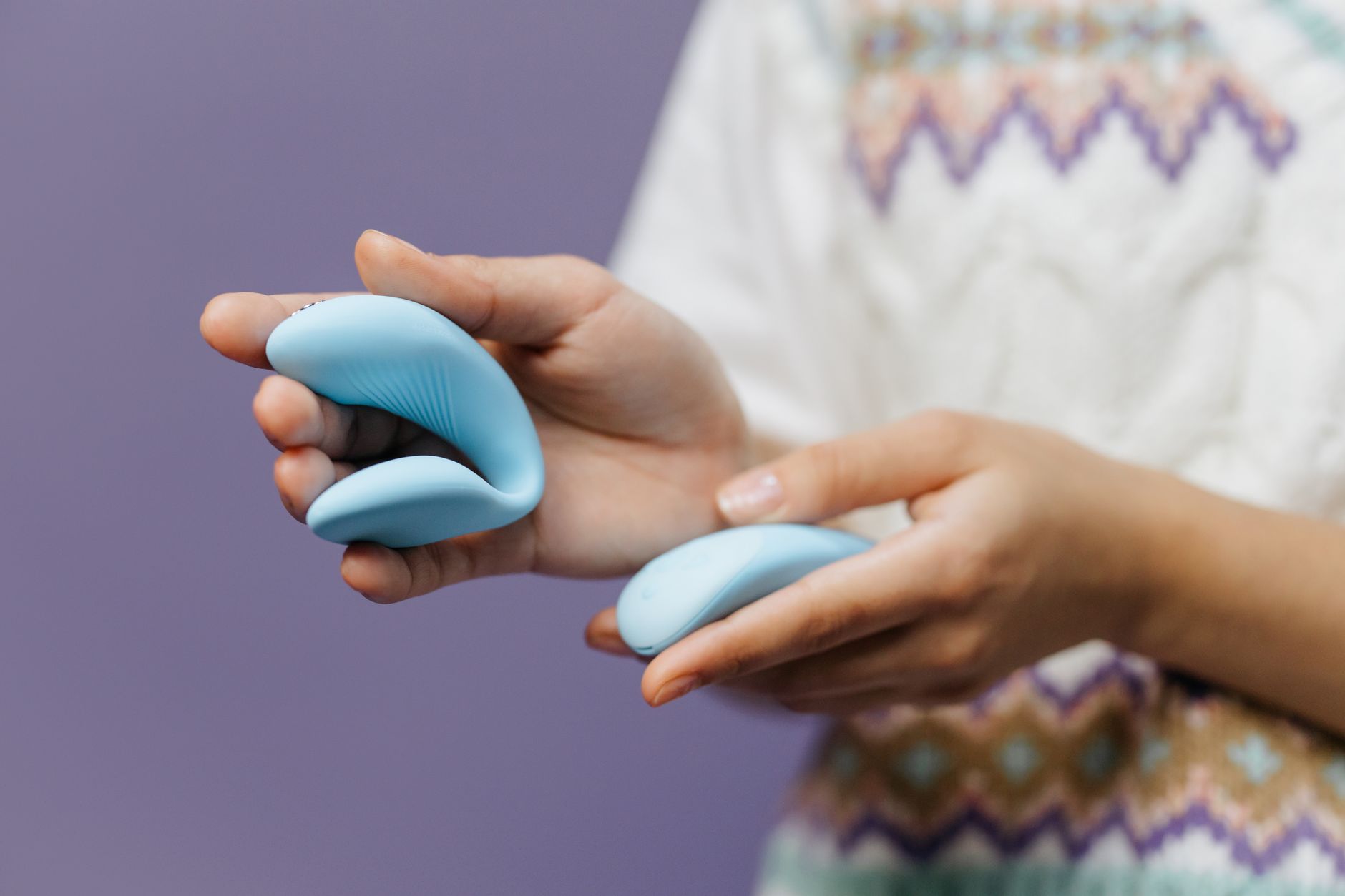
When you're rebuilding confidence after a long pause, a good lemon vibrator (like the Lem) offers something crucial: consistency without overwhelming intensity.
Unlike a partner's hand or tongue, which require real-time pressure management, a clitoral vibrator gives you absolute control. You set the pattern. You decide how many seconds you spend at intensity level 1 before advancing. You can pause, breathe, back off, and restart without any performance component whatsoever.
The Lem's suction mechanism is particularly useful because it stimulates without requiring direct friction on freshly sensitized tissue. If direct clitoral touch feels raw or too sharp after months away, suction creates pleasurable pressure from a slightly different angle. Many people I work with find this returns sensation gradually, in a way that feels safe.
You're not trying to match an intensity you remember or prove something about your sexuality. You're simply reacquainting your body with good feeling on your own schedule.
Starting point: forget your baseline
Here's the trap I see people fall into repeatedly. They return to pleasure and expect to arrive where they left off. "I used to want intensity level 4 all the time," or "I used to come in five minutes." Then it doesn't happen and they feel broken.
You're not broken. You're simply different now, which is fine.
Start at intensity 1. Not because there's something wrong with you, but because you're gathering information. Your body is telling you what feels good today. That might be nothing like what felt good in 2019. Listen to today.
Many people find that returning to pleasure is actually easier at lower intensities because there's room for sensation to build. When you jump straight to high intensity, you either overwhelm a sensitive system or you feel nothing, and both outcomes feel discouraging. Low intensity lets you feel the journey, which is where the pleasure actually lives.
The routine that works
Don't aim for an orgasm. I say that deliberately. When you're rebuilding confidence after a gap, the absence of orgasm can feel like failure even when the sensation itself is wonderful. Remove the end goal temporarily.
Instead, schedule fifteen to twenty minutes, twice a week, for exploration. Not with the pressure of having to come. Just sensation.
-
Start clothed or mostly clothed for the first few sessions. This removes the vulnerability of being completely exposed and creates psychological permission to stop whenever you want.
-
Use lubricant even if you don't think you need it. Water-based lubrication makes everything gentler and extends your comfortable session time. It also signals to your nervous system that this is self-care, not pressure.
-
Begin with the vibrator at your lowest setting against your inner thigh or labia, away from the clitoris itself. Spend two to three minutes here. You're warming up your nervous system.
-
Move toward the clitoris slowly. If intensity 1 feels overwhelming, pause for thirty seconds. Breathe. Restart. Your nervous system is recalibrating; rush and you'll trigger a freeze response instead of relaxation.
-
Stay with one pattern and intensity for at least five minutes. The pleasure deepens with consistency, not with constant variation.
-
If you come, great. If you don't, that's equally great. You're rebuilding a relationship with your body. Orgasm is optional right now.
What to expect (and what to skip)
Many people describe the first few sessions as "weird but not bad." Your body might feel unfamiliar. Sensation might be duller than you remember or oddly intense. You might feel self-conscious despite being alone. All of this is normal.
Skip the narrative that something is wrong with you. Your system is waking up. It takes time.
You might also notice that your mind wanders more than it used to. That's the gap talking. Months or years away from pleasure means your brain has learned to think about other things during solo time. Reconnecting your mind to your body takes practice. Don't fight the wandering. Just gently return attention to sensation when you notice it drifting.
If pain appears, stop. Discomfort during return to pleasure can signal that you need more lubrication, a lower intensity, or a conversation with a healthcare provider. Pain is information, not something to push through.
The timeline question nobody wants to ask
How long before it feels normal again? Honest answer: it depends.
Some people feel reconnected within two weeks of consistent exploration. Others take two to three months. Your timeline isn't a reflection of your sexuality or your commitment. It's simply how long your particular nervous system needs to recalibrate.
What I've noticed is that people who approach this with gentleness rather than pressure reconnect much faster. There's something about removing the stakes that actually accelerates the process. When you're not trying to prove anything or hit a deadline, your body relaxes into sensation.
If you're with a partner and they're curious about this process, that's a separate conversation. Many couples benefit from keeping solo exploration solo for the first month. This gives you a chance to remember your own pleasure independently before layering in partner dynamics.
When you hit a wall
Sometimes people rebuild confidence for two weeks and then hit a resistance point. The novelty wears off. Doubt creeps back in. Or suddenly the whole thing feels performative again.
This is actually a sign of progress. You've moved past the initial shock of reconnecting. Now you're bumping into the deeper work of why you stepped away in the first place.
If a breakup created the gap, there might be grief mixed in with pleasure. If health issues caused the pause, there might be frustration at your body. If depression was the culprit, pleasure might feel impossible during bad weeks and then easier during better ones.
A lemon clitoral vibrator is a tool for sensation. It's not a tool for resolving trauma or processing grief. If you find yourself stuck, a therapist who specializes in sexuality (yes, they exist) can help you understand what's happening underneath the surface. You might not need professional support. But if you do, that's completely normal and worth exploring.
The permission you actually need
Lots of people coming back from a gap carry a story about what they "should" want or how they "should" respond. Maybe they believe they should feel excited about sex immediately. Maybe they're afraid they've lost their sexuality forever. Maybe they think they're too old now, or too broken, or too out of practice.
None of that is true. What's true is that your body is capable of pleasure and sensation. Right now, today, with whatever time you've been away. You're not catching up. You're simply continuing from where you are, not from where you were.
Rebuild confidence slowly. Use tools like a Lem vibrator that keep the focus on your own sensation and your own pace. And understand that reconnecting with your pleasure is not a luxury or an indulgence. It's actually part of how you remember that you're allowed to feel good.
FAQ
How long should I wait after a long gap before trying again?
There's no minimum wait time. If you're curious, you can start exploring gently now. The key is removing pressure and expectation. A few weeks of low-pressure touch will tell you more about readiness than any timeline ever could.
Will my clitoris be less sensitive if I haven't used it for a long time?
Not less sensitive in a bad way, but differently sensitive. After time away, many people find their clitoris is more responsive to light touch initially, then adjusts as you rebuild consistent exploration. You're not less responsive. You're just recalibrating.
Can I use a lemon vibrator if my clitoris feels too sensitive after a long gap?
Absolutely. Start at the lowest intensity and begin on your inner thigh or labia rather than directly on the clitoris. The Lem's suction mechanism often works beautifully for sensitive tissue because it distributes stimulation across a broader area rather than targeting one point.
Is it normal to feel anxious when returning to solo pleasure?
Yes, especially after a long gap. Anxiety is just your nervous system being cautious. It's not a sign that you shouldn't continue. Keep sessions short, maintain control over intensity, and remind yourself that there's no goal here except sensation. Anxiety usually settles as trust rebuilds.
Should I tell a partner I'm rebuilding confidence with a vibrator?
That depends on your relationship and comfort level. Some couples benefit from transparency. Others find it helpful for the returning partner to rebuild solo confidence first before bringing it into partnered time. There's no universal answer. What matters is that you're taking care of yourself and being honest about your own needs.
What if I still don't feel pleasure after a month of trying?
If pleasure feels completely absent after consistent gentle exploration, that's worth mentioning to a healthcare provider. Sometimes medical issues, medication side effects, or deeper trauma need professional support. A gap in pleasure is normal. Permanent numbness warrants curiosity and maybe expert help.
You've got time
Rebuild at whatever pace feels sustainable. Some weeks will feel connected and easy. Other weeks will feel distant and confusing. Both are part of the process. Your body hasn't forgotten how to feel good. It's just gathering confidence again, one gentle session at a time. That's not a weakness. That's how healing actually works.