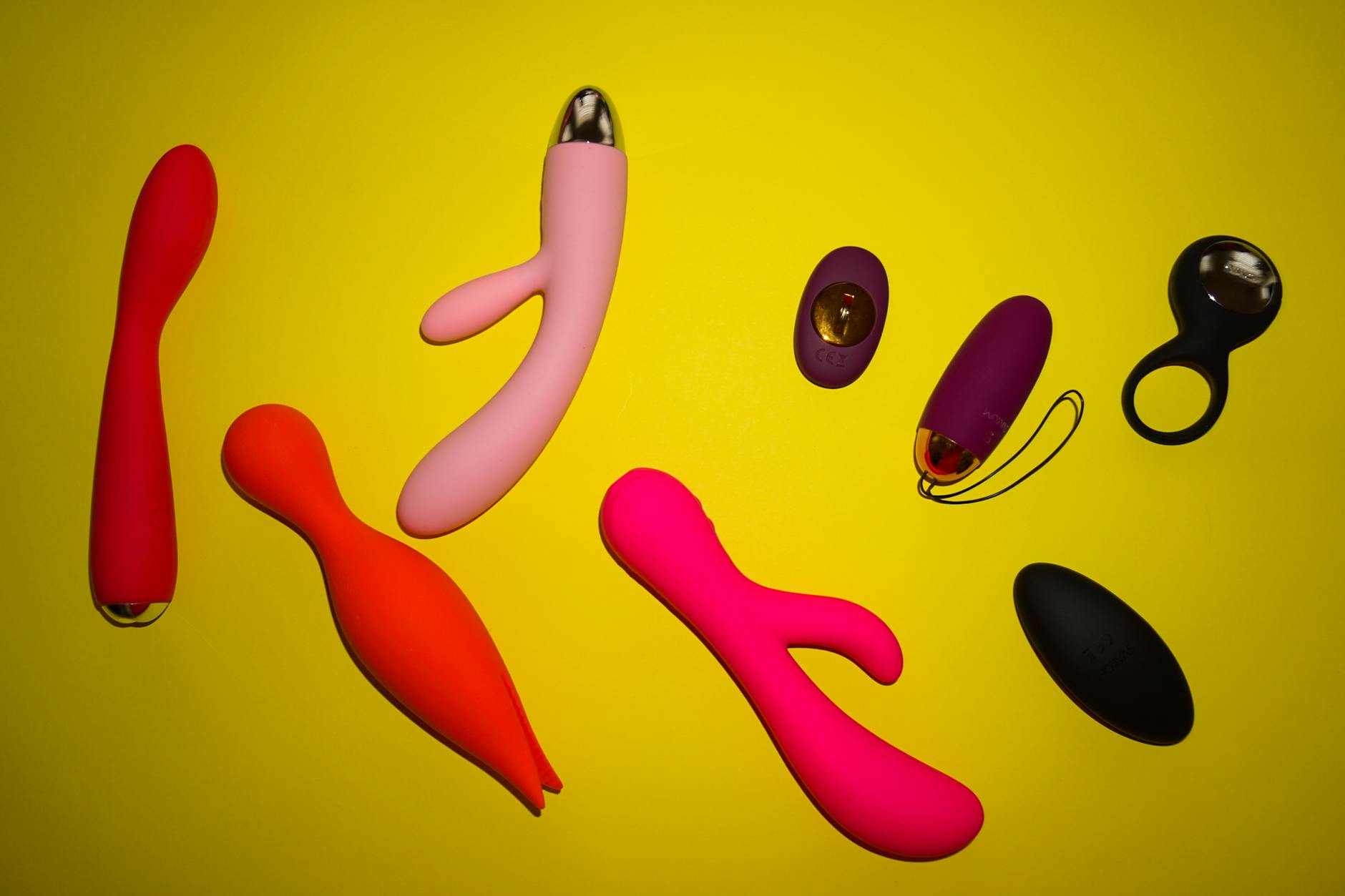
Let's start with the honest part
Introducing a lemon vibrator to a new partner is one of the highest-stakes conversations in early dating. Here's what makes it so loaded: you're signaling vulnerability (I have pleasure needs), desire (I want to explore with you), and a specific kind of openness that not everyone brings to early intimacy. The fear is real. What if they feel threatened? What if they think you don't want them anymore? What if the moment becomes awkward?
The truth is less dramatic. The partners who matter actually read this as confidence. You know what you like. You're willing to ask for it. You want them involved. That's attractive.
Why the timing conversation happens first
You don't introduce a vibrator to a new partner the way you'd pull one out with someone you've been sleeping with for years. The relationship architecture is different. You're still building safety and understanding each other's baseline desires. That context shifts how you frame the conversation.
The timing question isn't really about when you introduce the toy. It's about when you introduce the conversation. I recommend doing this well before intimacy, ideally the first time sex feels close. Not during foreplay. Not mid-date. Somewhere neutral, clothed, low-pressure. "I want to tell you something about what I enjoy," creates permission for honesty from both sides.
There's also a practical rhythm issue. New partners often have faster arousal pathways with each other because of novelty and adrenaline. But that fades, usually around weeks three to six. If you wait to introduce a lemon vibrator until arousal feels slower, you've inadvertently made it seem like a fix for a problem rather than a tool for pleasure. Early introduction frames it as abundance, not compensation.
The actual conversation (and what to say)
You don't need to script this, but you do need clarity on your own end first. Ask yourself: Am I introducing this because I want more sensation? Because I want to share something I love with them? Because I want help reaching orgasm more reliably? The answer changes the framing.
If you say, "I've been thinking about exploring more with you, and I love this toy," you've made them a collaborator in your pleasure, not a replacement for it. Compare that to, "I can't come without one," which reads as pressure on their performance.
Practical words that work: "I really enjoy this. It doesn't replace what we do together. I'd love to use it with you sometimes." That's it. You're naming that you like it, clarifying they're not being replaced, and making an invitation.
Their response will tell you everything. If they say yes and seem genuinely curious, you're in. If they need time to think, respect that. If they get defensive, you have useful information about their relationship to female pleasure that's worth exploring separately.
Why air-suction lemon vibrators change the dynamic
There's something about the design of a clitoral vibrator like the Lem that makes sharing easier. It's small, intuitive, and the sensation is distinct enough that a partner can actually feel what it does when they watch you use it or when you guide their hand.
Traditional vibrators can feel isolating in couples' play because the partner is often just watching. An air-suction toy is different. The action is visible. The response is immediate. They're not wondering what's happening. You can show them exactly where the sensation is, let them hold it, feel the vibration against their finger, understand why it works.
This transparency actually builds connection in early relationships. They're not intimidated by mystery. They understand the mechanism. That knowledge often kills the defensiveness.
How to introduce it the first time you use it together
Don't build it into the main event. Use it in foreplay, early, when you're both still figuring each other out. If you wait until you're both heavily aroused and reaching toward orgasm, it feels like a Hail Mary pass instead of an exploration.
Start with direct guidance. "I'm going to show you what feels good," hands them agency and removes the performance burden from both of you. Use your own hand over theirs if that helps, or guide them verbally. Some people need that permission slip to touch a toy at all.
Watch for their face, not your own sensation, at first. If they look curious or aroused, you're fine. If they look tense or distant, pause. Ask what they're thinking. Don't power through.
One specific thing: don't come immediately. I know that sounds counterintuitive, but if you have an intense orgasm in the first 90 seconds, your partner's brain will file that away as "the toy is what she needs, not me." Let it build. Let them watch the anticipation. Then let the pleasure unfold. The narrative arc matters more than the destination.
Handling the common anxieties he might have
Men (and some women) in early relationships often carry an unspoken fear: "She only wants this because I'm not enough." You've probably internalized the opposite fear: "He'll think I'm broken if I need this."
Neither is usually true, but the anxiety is real and worth naming directly. "I want you to know this has nothing to do with you," is a kindness, but "I want you to know I'm excited to explore this with you," is better. It reframes pleasure as collective, not compensatory.
If he voices actual discomfort, listen without defending. "That makes sense. What specifically worries you?" Often it's not the toy. It's fear of inadequacy. That's a separate conversation about desire and sufficiency that a toy won't solve.
Building the confidence to keep using it
After the first time, it should feel more natural. Don't go back to treating it as a special occasion event. Integrate it into your regular intimacy. This signals that it's normal, not a workaround.
Some couples use lemon sexual toys in a way that rotates focus. Sometimes foreplay centers on his pleasure, sometimes on hers, sometimes on both. When a vibrator is just another tool in that rotation, the emotional weight lifts entirely.
You might also find that using it together actually deepens the conversations about pleasure in general. "What would feel good to you right now?" becomes easier after you've already named specific desires once.
When to pause and reassess
If several weeks in, he's still acting uncomfortable or has made a comment that stung, it's worth a separate conversation outside the bedroom. Not accusatory. Not defensive. "I noticed you seemed hesitant when I mentioned the vibrator. I want to make sure we're on the same page about pleasure." That opens the door to real dialogue instead of assumption.
Some relationships aren't ready for toys early on. Some partners need more time to feel secure before they can welcome something that challenges their idea of what intimacy should be. That's not failure. That's just information about timing and temperament.
For relationships that do embrace lemon clitoral vibrators early, something interesting happens. You've already communicated about pleasure directly. You've already named your own desires without apology. The foundation is stronger because you didn't wait until resentment built to have the hard conversations.
FAQ
What if my new partner thinks a clitoral vibrator means I'm not attracted to them?
This is about his insecurity, not your desirability. A direct, kind conversation helps: "I'm more attracted to you than I've been to almost anyone. This is about my own pleasure. Those are completely separate." If he can't separate the two after you've explained, that's a compatibility question worth noticing early.
Is it better to introduce a toy before or after the first time we have sex?
After is generally better. You want the first few sexual experiences to build confidence and safety between you both. Once those foundations exist, introducing a tool for sensation feels additive, not like starting on hard mode. Usually that window is weeks two to four.
Can I use a lemon vibrator during partnered sex or is it only for solo use?
Lemon sexual toys like the Lem are designed for both. It works beautifully during foreplay, during sex for clitoral stimulation while you're penetrated, and solo. The suction mechanism is particularly good for partnered play because it's not in the way the same a traditional vibrator can be.
How do I know if he's actually comfortable or just going along with it?
Pay attention to his body language more than his words. Genuine comfort shows as relaxation, curiosity, eye contact, and playfulness. If he's tense, looking away, or unusually quiet, ask directly. "Do you want to try this or would you rather not?" gives him an exit that doesn't feel like rejection.
What if I want to use it but he's made it clear he doesn't like it?
You use it solo. You don't need his permission for your own pleasure, but you do need to respect his boundary in shared intimacy. If this is a dealbreaker for you, that's important information about compatibility. But most often, comfort grows with time and conversation.
Should I let him control the vibrator or should I do it myself?
Let him want to try it first, then follow his lead. Some people want to hand control over immediately. Others prefer to watch. Neither is wrong. The point is consent and communication, not a specific choreography.
The bigger picture
Introducing a lemon vibrator with a new partner is about more than the toy itself. It's a test of whether you can name your desires, whether he can hear them without defensiveness, and whether you're building a relationship where pleasure is mutual and discussed. If you can have this conversation with ease and openness, the rest of intimacy usually follows.
If you find yourself struggling with how to bring it up, or if past partners have made you feel broken for wanting more sensation, a conversation with a therapist trained in sexual health can help. Your desire for pleasure isn't something to apologize for. It's something to claim.