The elephant in the bedroom nobody talks about
Let's be real: introducing a toy to a partner who grew up in an era when vibrators were embarrassing, expensive, or practically nonexistent can feel like you're proposing something radical. Maybe your partner comes from a culture where pleasure devices weren't discussed. Maybe they're from a generation that equates toys with infidelity. Maybe they've just never thought about it before and the idea feels foreign.
None of those are reasons to stop. But they are reasons to slow down and talk about it carefully.
Why older or inexperienced partners often hesitate
This isn't about age alone. It's about messaging they received, sometimes decades ago, about what sex "should" look like. A lot of people in their forties, fifties, or sixties grew up with ideas like: "real sex doesn't need help," or "using anything means something's wrong," or "my body should be enough." Those beliefs live deep. They're not logical and they're not your fault, but they're real.
Another layer: many partners who haven't used toys before worry that introducing one means you're unhappy with them. They might interpret it as a sign that they're not enough, even when that's not what you mean at all. That gap between intention and interpretation is where most conversations go sideways.
The good news is that gap is closable. It just takes clarity, timing, and the right framing.
Start the conversation well before the bedroom
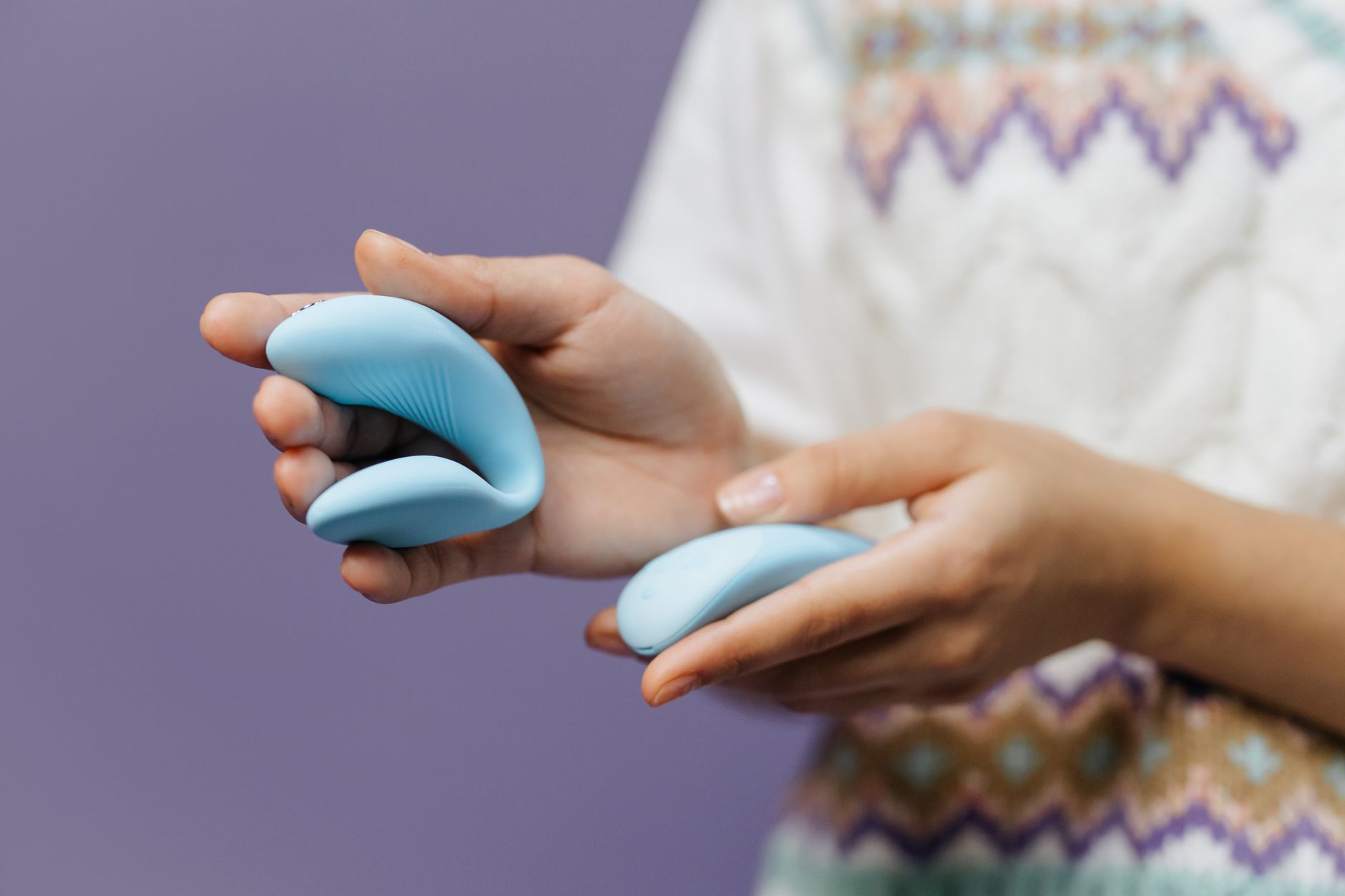
This is not a mid-foreplay conversation. You don't hand someone a Lemon Clit vibrator and say "try this." You also don't ambush them with it. The conversation should happen when you're both clothed, relaxed, and not about to have sex.
Pick a moment when you're genuinely calm and connected. After a nice meal, during a walk, or literally any time when you're talking anyway. The opener matters. Instead of "I want to use a vibrator with you," try: "I've been thinking about ways we could feel even better together. I'd love to try something new. Can I show you something?"
That phrasing does three things. It frames the toy as something for you together, not something you want because he's failing. It uses the word "better," not "fix." And it asks permission before you explain, which gives him a moment to breathe instead of immediately going defensive.
Show them, don't just tell them
Words alone won't convince someone who's skeptical. Research does. If your partner is the type who responds to information, show them an article or a quick video about how clitoral vibrators actually work. Lemon Clit vibrators use gentle suction technology, not just buzzing. That's different from what most people assume. That difference matters to hesitant partners because it feels less "mechanical" and more like an enhancement.
You might say something like: "I found this thing called the Lem. It's not what I thought vibrators were. It works by creating suction, kind of like how your mouth does naturally, but more consistently. I think it could help me get there faster, and honestly, more pleasure for me probably means more pleasure for you too." That last sentence is the truth and it's worth saying out loud.
Separate the toy from the partnership
Here's what your partner might be silently worried about: "Is she bored? Does she want someone else? Am I not good enough?" Those fears are almost never rational, but they don't have to be rational to be powerful.
Address them directly. Not defensively, just clearly: "This isn't about anything being wrong with us. This is about me wanting more sensation in a specific way. It's like... you wouldn't think I didn't love you if I wanted a massage therapist for my back, right? This is similar. I want to feel this, and I want to feel it with you."
That frame works for older or traditional partners because it uses logic they recognize. It separates the act (using a toy) from the relationship (being together). Some partners relax the moment you make that distinction obvious.
Address the specific fear underneath
Your partner might not be worried about infidelity. They might be worried about:
- Not knowing how to use it. ("Tell me exactly what you want me to do.")
- Looking silly. ("We'll laugh together if it's awkward, and that's fine.")
- It being uncomfortable or wrong. ("This is totally normal and healthy.")
- Losing the spontaneity of sex. ("This just adds to what we already do. It doesn't replace anything.")
Ask which one it is instead of guessing. "What's making you nervous about this?" is a better question than assuming.
The first time you use it together
Go slow and let him take the lead on speed and pressure. If you hand him the Lemon Clit vibrator and he's holding it, he has some control and agency. That matters psychologically. You might guide his hand, but having him hold it keeps it from feeling like something is being done to him. He's participating.
Start at the lowest setting. Most partners who are new to this are surprised by how much sensation there is. Low settings feel good and give him time to see your genuine pleasure response without feeling like he's doing something wrong.
Your pleasure matters here too. Don't fake anything. Let him see and hear that this feels good to you. That feedback is what shifts his perspective from "weird thing my partner wants" to "I'm giving her something she loves." That's powerful.
When he's still hesitant after the conversation
Some partners need time. They might need to see other couples talking about it, or hear from a friend that their partner uses toys too. They might need to use it solo with you first, where the stakes feel lower. They might need to just sit with the idea for a month.
Respect that timeline. You can't force comfort. But you also don't have to pretend you're fine without it. "I'm going to use this on my own until you're ready. Whenever you want to try it together, I'm here for that." That's honest and it's kind.
Some partners come around after they see you using the Lemon Clit vibrator and realize it's not a threat. It's just a tool that makes you happy. That shift from threat to tool is what changes everything.
Make it about teamwork, not performance
If your partner is anxious about whether he can perform well enough, reframe the whole thing as a team effort. "We're learning this together. There's no right way, just what feels good." That takes the pressure off him to be an expert and puts you both in explorer mode instead of performance mode.
Many partners who were skeptical actually end up enjoying this phase. Not because they suddenly love vibrators, but because they love the collaboration. You're doing something new, something a little vulnerable, together. That's actually where connection happens.
Timing and frequency
Don't assume the Lemon Clit vibrator becomes part of every session. It doesn't have to. Using it once a week, or once a month, or only sometimes, is all totally fine. Some partners relax once they realize it's not an every-time thing. It's an option, not a requirement.
You might also try using it together outside of typical sex. During foreplay before he's inside you. Just as a sensation thing in the morning when there's no pressure to have full sex. Normalizing it in different contexts makes it less like a "big thing" and more like a natural part of your pleasure toolkit.
Watch out for this common trap
Don't ask for permission every single time after the first conversation. "Is it okay if I use the vibrator tonight?" can actually reinforce the idea that it's a compromise he's tolerating instead of something normal. Once you've had the real conversation and done it together once or twice, just include it as part of what you do together. That's what normalcy looks like.
When your partner actually enjoys it
Most partners who were nervous at first end up enjoying it more than they expected. The relief on their face when they realize you're more satisfied is real. Some even start asking to use it on you. That's when you know the message finally landed: this isn't about him not being enough. It's about you getting more pleasure, and him getting to give you that. That's not a threat. That's partnership.
The real thing underneath all of this
Introducing a lemon clitoral vibrator to a less experienced partner isn't really about the toy. It's about breaking silence around pleasure. It's about showing your partner that your sexual needs matter and that you're willing to advocate for them. It's about proving that talking about what you want doesn't destroy intimacy. It does the opposite.
Older partners, traditional partners, partners who grew up without the language for pleasure. They need to see you claiming your body and your satisfaction. That's not selfish. That's modeling something their generation mostly wasn't taught. That's leadership in your own relationship.