
The intensity mismatch nobody talks about
Here's what happens in most relationships: one person wants the Lem vibrator cranked to pattern 7. The other person winces. Nobody says anything directly. Then you both stop using it together.
This is fixable. It's actually one of the easiest pleasure problems to solve, but it requires naming it first.
Why partners have different intensity preferences
There's no such thing as a universal tolerance for sensation. Some of this is physiological. Nerve density varies wildly from person to person. The clitoris of someone who prefers gentle pressure is not broken. Their nervous system is just calibrated differently.
Other factors matter too. Someone who's been using lemon sexual toys solo for years might be desensitized to subtle sensation. A partner who's new to toys or who experiences overstimulation easily will have a completely different threshold. Neither person is wrong.
Anxiety also plays a role. If your partner has never used a clitoral vibrator before, the sensation can feel chaotic at first. What feels like "medium" intensity to you might feel like your entire nervous system is on fire to them. Reassurance helps, but the real solution is adaptation.
The conversation that actually works
Before you use your lemon vibrator together, have this talk when you're clothed and calm. Not during sex. Not when someone's frustrated. Just the two of you, direct.
"I want us both to enjoy this. I'm sensitive to a few things, and I'd like to tell you about them. Can you do the same?" That's it. You're not fixing a problem. You're sharing information.
Then be specific. "The high patterns feel overwhelming to me" or "I like building up slowly rather than jumping to intense" or "I actually prefer when you use it on me rather than me using it on myself." These details matter.
Here's what you're listening for: their comfort, their speed of arousal, their past experience with toys, and whether they have physical sensitivities (numbness, overactive nerves, pelvic floor tension). You're not negotiating. You're fact-finding.
Practical adjustments that honor both of you
Start with the lowest settings available on your lemon vibrator. Most people think "low" means the vibrator is barely on. It's not. The Lem starts at a perceptible pulse and builds from there.
Begin at pattern 1 or 2. Spend at least 10 minutes there. Let your partner's body warm up and get accustomed to the sensation. Arousal changes how intense things feel. What seems overwhelming at the start often feels perfect 15 minutes in.
Use your hands alongside the toy. This gives your partner something to focus on besides just the vibration. Touch their thighs, their stomach, their neck. Create context around the sensation. A lemon clitoral vibrator works better when the whole body is engaged, not just the spot where the toy touches.
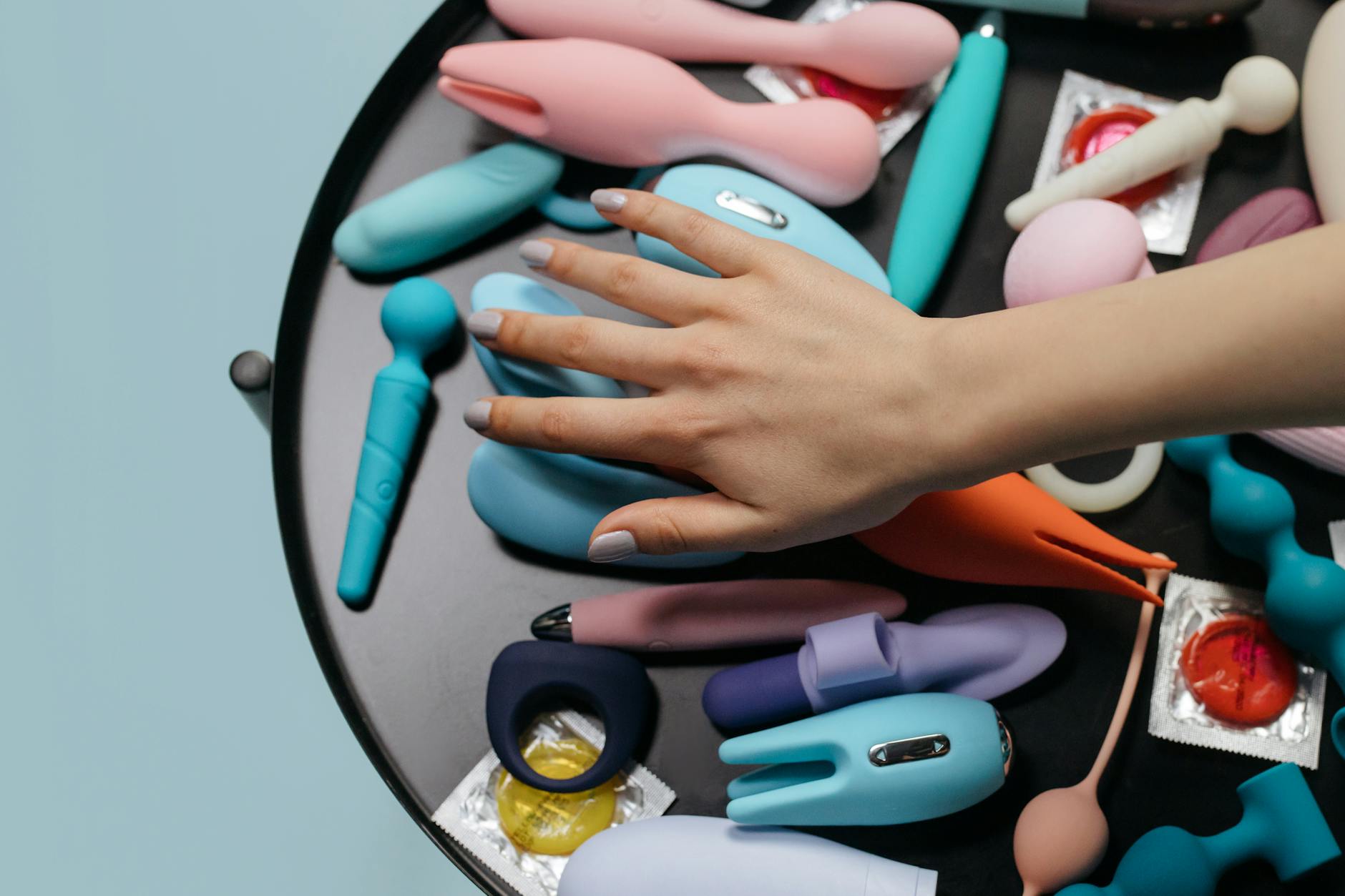
Photo by cottonbro studio on Pexels
If your partner wants you to stop or turn it down, don't ask why. Just do it. The signal should take effect immediately. This builds trust. Next time they're less defensive about the toy because they know they're actually in control.
Consider taking turns. You use the lemon vibrator on them first, at their pace and intensity. Then they decide if they want to use it on you. This removes the pressure. It's exploratory, not performative.
The nuance of suction versus vibration
Lemon vibrators use suction technology, which is wildly different from traditional vibrators. Suction doesn't hammer the clitoris. It creates a gentle pulling sensation that some people find less overwhelming than typical vibration, even at medium settings.
This actually works in your favor if your partner prefers lower intensity. The Lem's suction mechanism means you can achieve pleasure without cranking the patterns to a level that causes discomfort. The sensation is layered, not just loud.
Explain this to your partner. "This works differently than a regular vibrator. It's more like a gentle vacuum than a buzz." That reframing often reduces anxiety, which lowers their sensitivity threshold naturally.
Rhythm and pacing matter more than power
If your partner is overwhelmed by intensity, slow down. Use one pattern consistently for several minutes instead of jumping between settings. Predictability is soothing. Chaos is not.
Build toward anything new. If you want to move from pattern 3 to pattern 4, mention it first. "I'm going to change the setting now" signals to their nervous system that something's about to shift. This prevents the jolt that makes people tense up.
Respond to their body. If you notice them holding their breath or tensing their pelvic floor, pause. Ask if they're okay. Sometimes people don't realize they're bracing until someone points it out. Teaching your partner to relax the pelvic floor during stimulation changes everything. Tension amplifies perceived intensity.
When to seek out specific tools
If your partner is extremely sensitive to sensation, a smaller toy might suit them better than a standard lemon vibrator. Hello Nancy offers different options for different bodies. What works for one person may genuinely hurt another, and that's not a character flaw.
You might also try using a lemon vibrator with lubricant. Lubrication changes the feel of suction. It softens the sensation and can make everything feel more comfortable. Water-based lubes work beautifully with silicone toys.
If your partner experiences numbness after a few minutes with the toy, that's normal at first. Their nervous system is learning. But if it happens consistently and bothers them, read up on why lemon vibrators can feel numb or less intense over time. There are practical fixes.
Communication beyond the bedroom
Don't only talk about intensity when you're about to have sex. Bring it up casually. "That pattern felt good last time. Can we try that again?" or "I noticed you seemed more relaxed when we went slower. What was different?" These conversations over coffee mean more than performance-anxious talks in the moment.
If intensity preferences change over time, that's normal. Hormones shift. Medications change. Stress levels fluctuate. What felt overwhelming last month might feel perfect now. Check in regularly without making it weird. "How are you feeling about the toy these days?" is a fine question.
And here's the thing nobody tells you: sometimes the intensity issue isn't really about intensity. It's about control. If your partner feels like the toy is something being done to them rather than something they're choosing, they'll resist even low settings. Flip the dynamic. Let them control the toy, the pace, the patterns. You'll both enjoy it more.
The pleasure payoff
When intensity finally matches desire, something shifts. Your partner stops bracing. They actually feel good instead of white-knuckling through it. You both relax. That's when a lemon vibrator becomes something you actually want to use together instead of a source of negotiation.
Lower intensity doesn't mean less pleasure. It means sustained pleasure. It means your partner can focus on sensation instead of managing discomfort. And when both of you are genuinely enjoying yourselves, the whole experience deepens.
Your partner's comfort is not a limitation to work around. It's information that makes shared pleasure possible.
People also ask
Can I use a lemon vibrator on my partner if they're never used one before?
Absolutely, but start slow. Begin with the toy off entirely, just letting them see and hold it. Then use it at the lowest setting on your hand or arm first, so they feel what it does before you introduce it to their body. Most nervousness comes from the unknown. Familiarity builds confidence.
What if my partner says the suction feels too intense even on the lowest setting?
Try using it over clothing or through a thin fabric. This muffles the sensation significantly. You can also experiment with placement. Some people find direct clitoral contact overwhelming but enjoy sensation on the pubic mound or inner thighs instead. The Lem can work beautifully in these areas.
How do I know if my partner actually likes it or is just going along with it?
Listen for genuine sounds of pleasure versus performance sounds. Watch their breathing. Ask directly in a low-pressure way. "Do you want to keep going or would you rather try something else?" Their answer matters more than your attachment to the toy working out.
Should we use the lemon vibrator during partnered sex or separately?
Whatever feels good to you both. Some couples use it during penetration. Others prefer using it solo while their partner watches or touches them. There's no right way. What matters is that it feels good and consensual to both of you.
What if we're into different intensity levels but the vibrator only has one speed range?
The Lem has multiple patterns and intensity levels, which gives you flexibility. But if you genuinely prefer opposite ends of the spectrum, you might each benefit from having a toy calibrated to your preferences. That sounds expensive but it's actually cheaper than years of not using toys because one person's needs were sidelined.
How often should we check in about whether the intensity level is still working?
As often as feels natural. You might circle back after a few sessions, then once a month, then whenever someone brings it up. There's no schedule. The only rule is that if someone's uncomfortable, the toy stops immediately. Everything else is flexible.