Let's be real about coming back
You've been away from solo play for a while. Maybe it was months. Maybe longer. Now you're ready to start again, and suddenly your clitoris feels like it's wired differently. Touching it directly feels raw, almost painful. Or the sensations are so intense they're overwhelming rather than pleasurable. You might think something's wrong. Nothing is. Your body is just remembering how to receive pleasure after a gap.
This happens more often than you'd think, and it's completely reversible.
Why intensity spikes after time away
When you haven't engaged in sexual stimulation for a while, several things shift physically. Your nerve endings don't forget how to feel pleasure, but they do recalibrate. The tissue around your clitoris becomes less accustomed to direct touch. Meanwhile, your anticipation has built up, so when you finally do touch yourself, the sensation can feel shockingly strong.
It's not that your clitoris is broken or oversensitive in a permanent way. It's that the pathway between your nerve endings and your brain needs a gentle reintroduction. Think of it like muscles after a gym break. You don't go back to your old weights on day one.
Additionally, if stress, depression, or relationship issues contributed to your gap, your nervous system may still be in a slightly elevated state. Anxiety can make sensation feel more intense and less pleasant. That gets better once your body realizes it's safe to relax again.
Start with indirect stimulation, not direct touch
This is the move that changes everything. Instead of going straight for direct clitoral contact, use the outer area first. Your clitoris has a hood, and there's whole landscape of sensitive tissue around it that feels amazing and doesn't trigger that raw sensation.
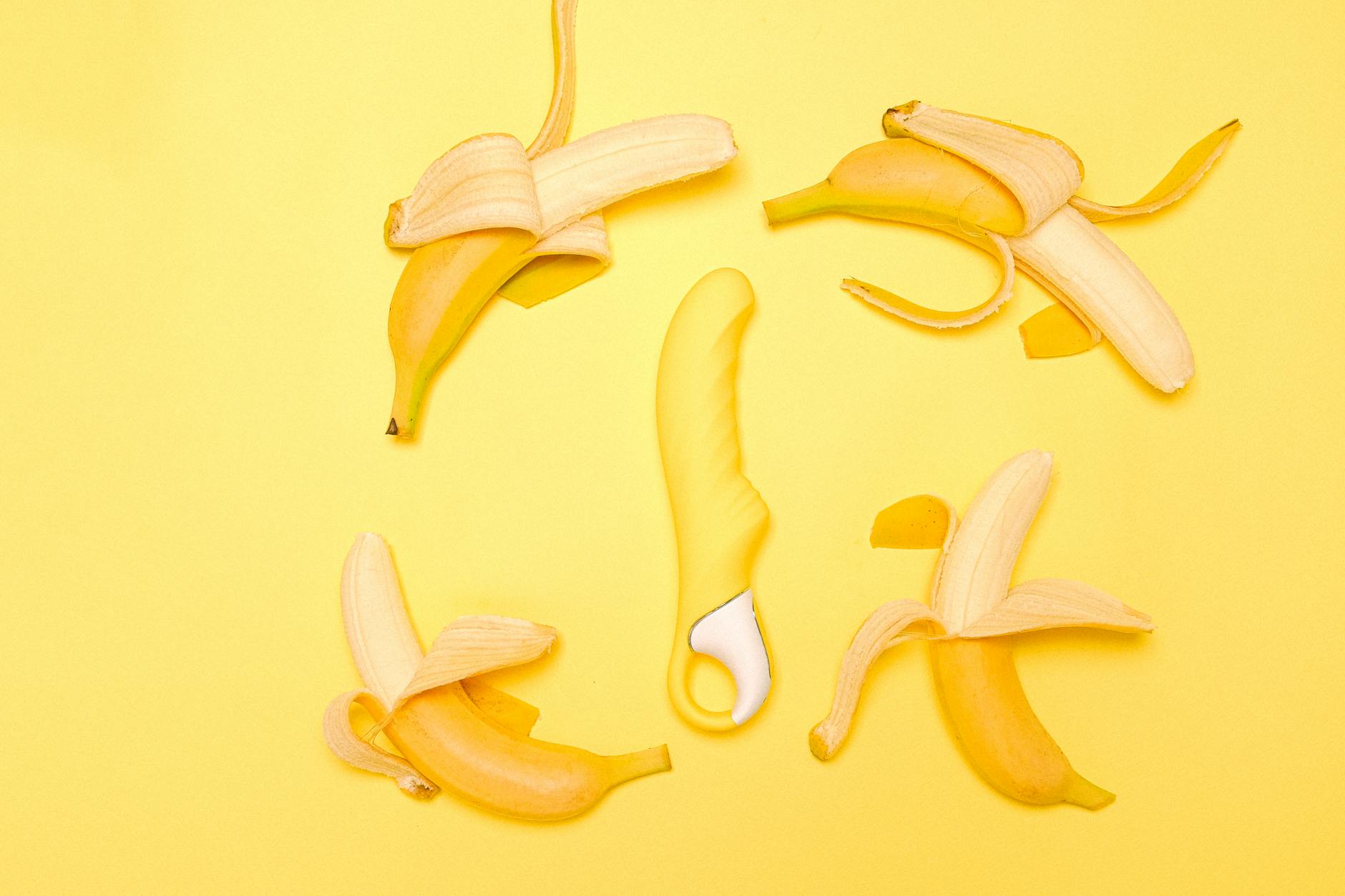
With a lemon vibrator like the Lem, you have an advantage. The suction pattern delivers stimulation in a way that's gentler than traditional vibration on direct tissue. But even with the Lem, you'll want to start by aiming at the clitoral hood or the outer labia rather than the glans itself.
Begin on the lowest setting. Most clitoral vibrators have three to five intensity levels. If you're just returning to play, start at level one or two. The goal isn't to chase orgasm yet. It's to remind your body that pleasure feels good again.
Spend five to ten minutes just exploring. Move the vibrator around. Notice where feels best. You might find that the side of your clitoris feels better than direct pressure. Or that a circular motion works better than straight up and down. There's no rule here except your own comfort.
Build duration before intensity
Many people make the mistake of trying to intensify the experience too quickly. If direct stimulation feels overwhelming, adding more power just makes it worse. Instead, extend the time you spend on lower settings.
If you can only tolerate two minutes of gentle stimulation on day one, that's your baseline. Day three, try three minutes. The goal is to gradually desensitize yourself in a positive way. You're training your nervous system to trust that this sensation is safe and pleasurable, not alarming.
This slow rebuild typically takes one to three weeks, depending on how long your gap was and what else is happening in your life. If you're stressed or anxious about returning to intimacy, it might take a bit longer. That's normal. Your body will let you know when it's ready to increase intensity.
The role of lubrication and warm-up time
Dry tissue feels more intense and less pleasant. Before you even reach for your lemon vibrator, spend time on nonsexual touch. A warm bath, massage, or even just lying in the sun for a bit helps. Your body needs time to warm up and produce its own lubrication.
If that's not happening on its own, water-based lubricant is your friend. It's not a sign that something's wrong. It's a tool that makes the experience better. Apply a small amount around your clitoris before you start. This creates a buffer between your skin and the vibrator, making everything feel smoother and less intense.
Warm-up really matters here. Don't jump straight into vibrator play. Spend ten to fifteen minutes touching yourself without a toy first. Gentle stroking, light massage, whatever feels good. By the time you introduce the vibrator, your body will already be halfway to arousal, which changes how every sensation feels.
Why the Lem works particularly well for sensitivity
Clitoral suction vibrators like the Lem deliver stimulation differently than traditional vibrators. Instead of rapid buzzing directly against tissue, they create a gentle suction and pulsing pattern. For someone returning to pleasure after a gap, this feels less jarring and more controllable.
You can also use it with the suction cup positioned over the clitoral hood rather than directly on the glans. This gives you adjustable intensity just by how you angle it. Start with it slightly off to the side. As your sensitivity normalizes, you can move it more centrally.
The lower settings on the Lem are genuinely gentle. You're not forced to choose between "barely anything" and "way too much," which is a real problem with some vibrators. That range makes it easier to find your sweet spot after time away.
When to bring a partner into the picture
If you're in a relationship, your partner might want to participate in your return to pleasure. That's sweet, but it can also add pressure. You might feel self-conscious about needing extra time or lower intensity. You might worry about disappointing them.
The kindest thing you can do is rebuild solo first. Spend two to three weeks getting comfortable with your own body again using your lemon vibrator. Once you feel confident and pleasured on your own, bringing a partner in becomes about connection rather than performance.
When you do include them, you're the director. Tell them what you need. "Start here," "slower," "lower intensity." Most partners genuinely want you to feel good, and clear communication makes that possible.
Common setbacks and what they mean
Sometimes you'll have a session where intensity spikes again even after you've made progress. Stress, fatigue, or hormonal fluctuation can all trigger this. It doesn't mean you've lost progress. It means your nervous system needs another day of gentleness.
If you're noticing pain rather than intensity, that's different. Sharp pain or burning should prompt a check with a doctor. Genitourinary syndrome of menopause (GSM), yeast infections, or other conditions can create pain with stimulation. That's treatable, but it needs professional input.
Intensity that feels overwhelming but not painful? That's recalibration, and it gets better with consistency and patience.
The mental side of returning
Here's something nobody talks about enough. Your mind often needs more time than your body. If the gap happened because of relationship issues, trauma, depression, or loss, your nervous system might still be protecting you from vulnerability. Pleasure requires a certain amount of emotional openness.
You might find yourself tensing up during play even though the sensation itself isn't painful. Your pelvic floor tightens. Your breathing gets shallow. That's your nervous system doing its job. The fix isn't willpower. It's gentleness and patience.
Use the vibrator as a way to practice relaxation. Notice when you're holding tension and consciously release it. This is why warm-up matters so much. Slow, pleasure-focused time on your own teaches your body that intimacy is safe again.
FAQ: Returning to pleasure with clitoral vibrators
How long does it typically take before intensity feels normal again?
Most people notice a shift within two to four weeks of consistent, gentle play. That means using your lemon vibrator a few times a week, staying on lower settings, and not pushing yourself. If the gap was longer than six months or if there's underlying anxiety or trauma, it might take two to three months. Everyone's timeline is different, and that's completely okay.
Can I use the Lem if my clitoris feels too sensitive?
Yes, but start with the suction cup positioned over the hood rather than directly on the glans. Use the lowest intensity setting. You can also apply a bit more lubricant to create more cushioning. Many people find suction gentler than traditional vibration once they're positioned correctly. If direct contact still feels raw, take a break and try again in a day or two.
Should I see a doctor if clitoral stimulation feels too intense?
If the intensity feels overwhelming but not painful, that's usually just recalibration and will improve with time. If you're experiencing sharp pain, burning, or stinging that doesn't improve after a week of gentle play, check in with a doctor. They can rule out infections, skin conditions, or hormonal issues that might need treatment.
Is it normal to have breakthrough sensitivity spikes after I've made progress?
Completely normal. Stress, sleep deprivation, hormonal shifts, or just an off day can all trigger temporary spikes in sensitivity. It doesn't mean you've lost progress. It means your nervous system needs another gentle session. Respond by backing off intensity, not by pushing through.
Can mental health affect how intense clitoral stimulation feels?
Absolutely. Anxiety, depression, and stress all amplify sensation in unhelpful ways. If you're rebuilding after a gap related to mental health struggles, be especially patient with yourself. Pleasure returns gradually as your nervous system feels safer. Therapy, meditation, or gentle movement can help alongside solo play with your lemon vibrator.
What if I never had strong sensation before the gap?
Some people have always had sensitive clitorises. That's not a problem to solve. It just means you know your baseline now. You might find that a lemon suction vibrator feels better than traditional vibrators because it's more controllable and less jarring. Spend time mapping your pleasure zones. Some areas might have more sensation than others, and that's information, not failure.
You're not broken. You're just beginning again.
Taking time away from pleasure doesn't damage your capacity for it. Your body remembers. Your clitoris remembers. You just need to reintroduce sensation gently, with patience and without pressure. Start with indirect stimulation, keep intensity low, and prioritize duration over power. Most importantly, remove the expectation of orgasm from the equation for now. The point is reconnection, not performance.
If you're ready to rebuild, check out our guide on how to choose a lemon vibrator when you have no idea where to start. Many people find that having the right tool makes the process feel less intimidating. You've got this.