The thing nobody tells you about the pill
Hormonal birth control works by suppressing your natural hormone cycles. That's the point. But suppressing estrogen, testosterone, and progesterone doesn't just prevent ovulation. It also quietly mutes your capacity for pleasure, changes how arousal builds, and reshapes what sensation feels like when it happens.
Most people don't notice because the change happens gradually. You adapt to the new baseline. Then you stop taking it, and suddenly a lemon vibrator or any clitoral vibrator that felt "fine" before now feels shockingly intense, responsive, and radically different. This is not in your head. Your body literally is responding differently.
What hormonal birth control actually does to pleasure
Let's get specific. Hormonal contraception, whether it's the pill, the patch, the ring, or the implant, suppresses testosterone production. Yes, people with ovaries produce testosterone, and it's a primary driver of desire in all bodies. On the pill, testosterone levels drop by about 30 to 50 percent depending on the formulation.
That's not nothing. Lower testosterone means reduced clitoral engorgement during arousal. It means the clitoris stays smaller, the hood doesn't retract as fully, and stimulation has to work harder to trigger a response. Many people on hormonal birth control report that they need to use a vibrator at higher settings, or that sensation feels muted or distant.
Estrogen changes also matter. Hormonal birth control can thin vaginal tissue and reduce natural lubrication in some people. That's separate from the testosterone drop, but it compounds the issue. Arousal takes longer. Orgasm feels less intense or harder to reach. Some people experience numbness during sex that has nothing to do with their emotional connection to their partner.
The kicker: because these changes happen while you're on the pill, you often don't realize they're happening. It becomes your normal.
What actually changes when you stop
Within the first few weeks after stopping hormonal birth control, your testosterone levels start climbing back. Within 3 to 6 months, most people return to their natural baseline. This is when things get interesting.
Clitoral tissue begins to engorge more fully during arousal. The hood retracts more completely, exposing more nerve-rich tissue. Sensation becomes sharper, sometimes shockingly so. Many people describe it as waking up after a long sleep.
Natural lubrication typically returns if tissue thinning was an issue. Arousal builds faster. Orgasms often feel more intense, more localized, more real.
This doesn't happen overnight. The first month off the pill might feel chaotic hormonally. Your cycle is probably irregular if you had one before. Your emotions might feel louder. That's all normal. But by month three or four, most people report a noticeable shift in sexual sensation and desire.
Why lemon vibrators feel so different now
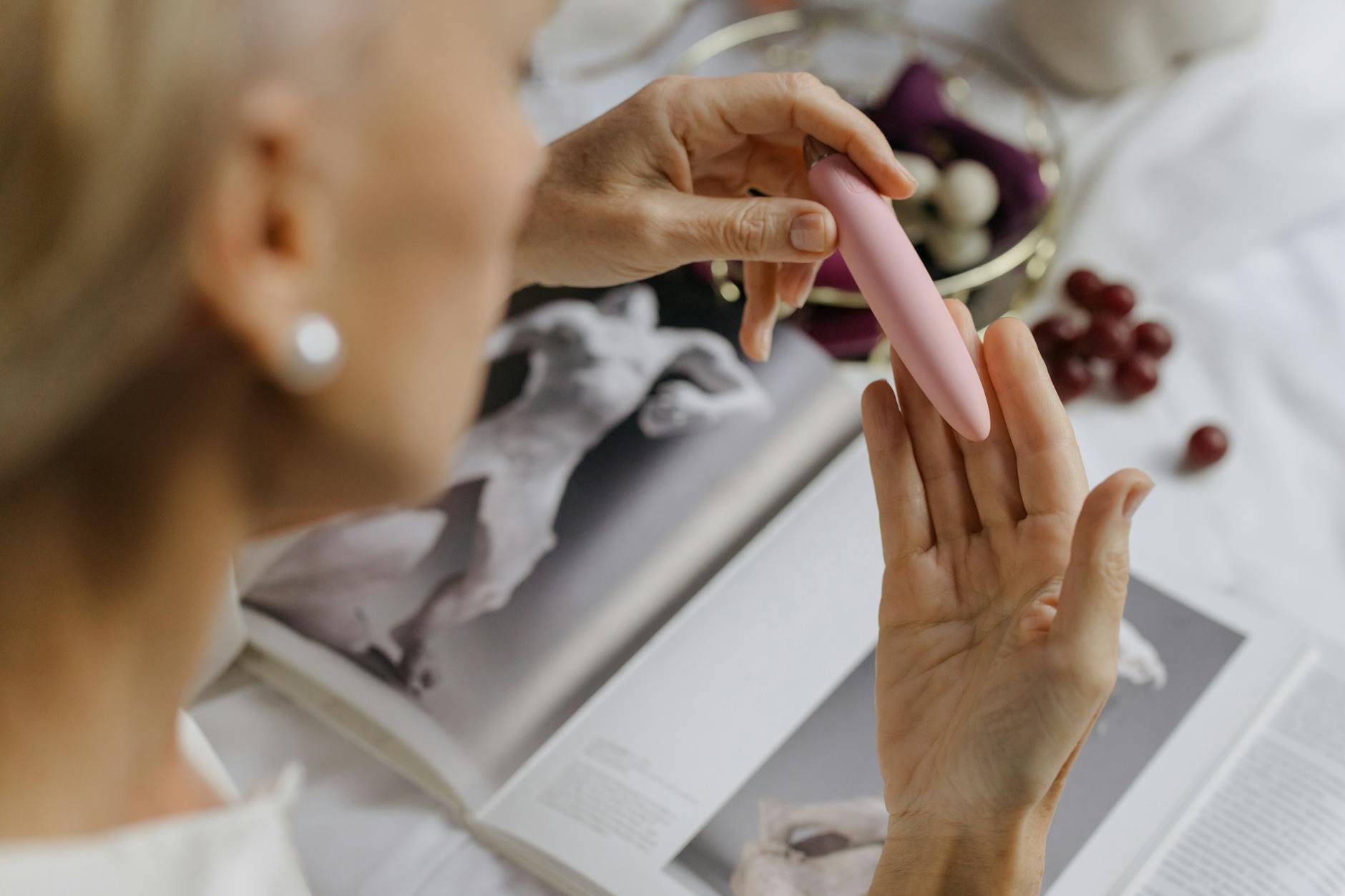
A lemon clitoral vibrator uses gentle suction combined with vibration. It works by stimulating the broad clitoral network of nerves, not just the external glans. This design makes sense for any body, but it's especially effective once you're off hormonal birth control.
Why? Because suction-based stimulation doesn't require the same level of baseline engorged tissue to feel amazing. When you were on the pill, your clitoris was smaller. The suction still worked, but it required more intensity or more time to build sensation.
Post-pill, that same stimulation on a naturally engorged clitoris feels radically more responsive. Lower settings feel sufficient. The sensation is more diffuse and more intense. Many people report that they can reach orgasm faster, or that orgasms feel completely different in quality.
If you tried a lemon vibrator while on hormonal birth control and found it underwhelming, it's worth revisiting once you're stabilized post-pill. You're not the same user anymore.
The arousal timeline shift (and why it matters)
On hormonal birth control, arousal often takes 15 to 25 minutes to build meaningfully. Some people need longer. Off the pill, that timeline compresses. Many report meaningful arousal building in 5 to 10 minutes, sometimes less.
This is not just about speed. Faster arousal changes the whole experience. It changes what foreplay feels like. It changes how you think about your own desire. Some people who thought they had low libido on the pill suddenly realize they didn't. They just needed more chemical input to get the system moving.
If you're coming off hormonal birth control and you're using a lemon vibrator or other clitoral vibrator, this timing shift is worth tracking. You might discover that your previous pacing assumptions ("I always need 20 minutes of foreplay") no longer apply.
The adjustment period (and what to expect)
Your first 3 months off hormonal birth control can be a bit of a hormonal roller coaster. Mood swings are real. Energy fluctuates. Pleasure might feel inconsistent from day to day.
This is normal and temporary. By month four, most people's cycles and sensation stabilize. Your body isn't broken. It's recalibrating.
During this time, if you're using a lemon vibrator or any clitoral toy, pay attention to what changes. Does intensity feel different on certain days? Are you noticing shifts in desire across your cycle? This is actually useful information about your own body, not a sign that something's wrong.
If you're managing post-pill bleeding changes or other hormonal side effects, that's a separate conversation for your doctor. But pleasure changes, sensation changes, and desire shifts are expected and mostly positive once you get through the adjustment phase.
When to check in with a healthcare provider
If you experience persistent pain during sex after stopping birth control, or if sensation doesn't return even after 6 months, mention it to your doctor. Sometimes hormonal birth control masked an underlying pelvic floor issue or other condition. Sometimes the pill was managing something like endometriosis, and stopping it reveals that.
Similarly, if your desire doesn't come back, or if you experience significant mood changes that don't settle, that's worth discussing with a provider. Most of the time, everything normalizes. But checking in is worthwhile.
Reconnecting with your own pleasure
Here's the honest truth: coming off hormonal birth control is a chance to rediscover what your body actually feels like when it's being its natural self. That's powerful, even if it's a bit disorienting at first.
Many people report that lemon vibrators, lemon clitoral vibrators, or other clitoral vibrators feel entirely new once they're off the pill. Lower settings feel good. Higher settings feel intense. The whole sensation landscape shifts.
Your pleasure matters. Your sensation matters. And your body's natural capacity for it is worth taking time to relearn and appreciate.
Frequently asked questions
How long does it take for sensation to come back after stopping the pill?
Most people notice changes within 4 to 8 weeks, with the most significant shifts happening by month three or four. Testosterone levels rebound relatively quickly. Tissue changes take a bit longer. Everyone's timeline is individual, but if you're six months out and nothing has shifted, it's worth checking in with your doctor.
Can I use a lemon vibrator while still on hormonal birth control?
Absolutely. Lemon vibrators work at any baseline. But if you've felt like you needed a lot of intensity or couldn't quite get the response you wanted, it might be worth revisiting once you're off the pill. You might discover you prefer a completely different intensity level.
Will my orgasms always be more intense after stopping the pill?
Likely, yes. Most people report that orgasms feel sharper, more localized, and more satisfying once natural hormone levels return. This tends to persist. Some variability across your cycle is normal, but the baseline usually stays elevated compared to the pill version.
Do I need to switch vibrators after stopping hormonal birth control?
Not necessarily. The same lemon clitoral vibrator will work, but you might find you prefer it at different settings. Many people turn down the intensity after coming off the pill because the sensation is sharper. Some people find that what felt numb before now feels right. It's worth experimenting.
Is it normal to feel like your pleasure preferences have changed after stopping the pill?
Completely normal. Because your baseline sensation has shifted, what you want from stimulation might shift too. Touch that felt too light before might feel perfect now. Intensity that felt necessary might now feel overwhelming. Give yourself a few months to figure out your new preferences before deciding if something's wrong.
What if I went off the pill and my desire still feels low?
That's worth investigating. Low desire can have psychological, relational, or physiological roots. If you were on hormonal birth control for years, reconnecting with natural desire sometimes takes patience and exploration. Stress, relationship dynamics, and other life factors matter too. If low desire persists beyond six months, talking to a healthcare provider or a relationship coach can help you sort out what's actually going on.
The real shift
Leaving hormonal birth control is about more than just preventing pregnancy. It's about reclaiming your body's natural sensory and hormonal landscape. A lemon vibrator that felt like a polite tool before can feel like a genuine instrument of pleasure once you're back to your baseline. That's not magic. That's biology finally being allowed to work the way it's designed to.
Your pleasure deserves attention. Your sensation deserves respect. And your body's natural capacity for both deserves to be rediscovered, one slow exploration at a time. If you want support navigating reconnection with pleasure after stopping hormonal birth control, we're here. Get in touch at /contact.