Why Lemon Vibrators Feel Different After Menopause
Let's be real. Menopause doesn't kill pleasure. It rewires it. And if you've been using traditional vibrators for decades, the shift can feel disorienting. Your body responds differently now, and that changes what actually works. The good news? Lemon clitoral vibrators, with their unique suction-based design, often feel better during this phase than they ever did before.
Here's what's actually happening physiologically, and why that matters for how you experience pleasure.
The Tissue Changes No One Explains Clearly
Estrogen drops during menopause. Full stop. This isn't a metaphor or a polite euphemism. It's a shift in your body's chemistry that affects the tissue in your vulva and vagina directly. The tissue becomes thinner, less elastic, and produces less natural lubrication. That's not a flaw in your body. It's just a fact.
What this means in practical terms: direct vibration can feel too intense, too sharp, sometimes even uncomfortable. Traditional vibrators rely on rapid back-and-forth motion against tissue that's now more delicate. The sensation might be overwhelming where it used to feel just right.
But here's the part that changes everything. Suction works differently.
Why Suction-Based Lemon Vibrators Are a Game-Changer
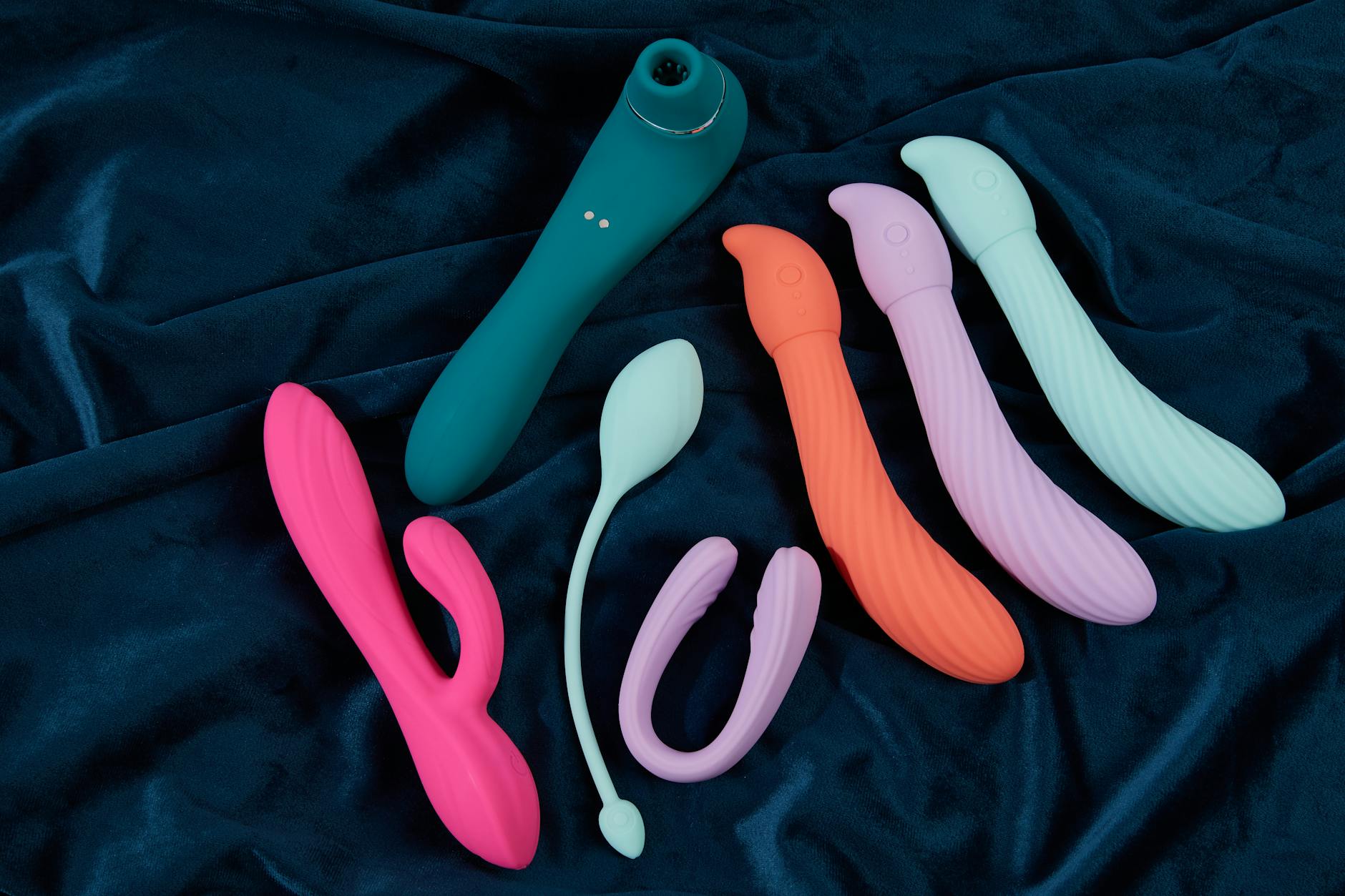
A lemon vibrator uses gentle suction rather than direct vibration. Instead of pressing against sensitive tissue, it lifts and stimulates the clitoris in a completely different way. This means the sensation is gentler on thinner tissue while still being incredibly effective for pleasure.
The clitoris itself doesn't change as much as you'd think. The nerve density stays constant. The capacity for orgasm doesn't disappear. What changes is how you get there, and suction-based stimulation often gets you there faster and more intensely than traditional vibration ever did.
My clients in their 50s and 60s regularly report that they've had their most satisfying orgasms using lemon clitoral vibrators. This isn't accidental. It's biomechanics meeting postmenopausal anatomy in a way that just works.
How Postmenopause Actually Changes Arousal
Arousal takes longer to build after menopause. You're not broken. Your brain still sends the same pleasure signals. But the cascade of events that used to happen in five minutes now takes 15 or 20. This is partly hormonal and partly neurological. Dopamine production shifts. Blood flow patterns change slightly.
For decades, you might have powered through quick warm-ups with vibrators that demanded immediate response. Now your body is asking you to slow down. And that slowness, frankly, is often where better pleasure lives.
A lemon suction vibrator actually honors this shift. Because the sensation builds gradually rather than slamming all at once, you're not fighting your body's new pace. You're working with it. The suction can start gentle on lower settings and build intensity as your body warms up. That rhythm aligns with how postmenopausal arousal actually functions.
The Lubrication Question
Yes, you'll need lubricant. No, this is not shameful or a sign something is wrong. Water-based lubricant does two things here. First, it protects thinner tissue from any friction at all. Second, it helps the suction cup of a lemon vibrator create a seal, which means the device works better. The lube isn't a workaround. It's actually essential for the technology to function as designed.
Many postmenopausal clients tell me they resisted lube for years because they'd internalized shame about needing it. Using it is an upgrade, not a downgrade. Your body is wiser now. It knows what it needs.
Pelvic Floor Changes and What They Mean
Estrogen supports pelvic floor muscle tone. When estrogen drops, the pelvic floor loses some of that support. This can feel like a loss of sensation or, sometimes, hypersensitivity. The pelvic floor also plays a role in how orgasms feel. Some clients report that orgasms feel different in location or intensity after menopause.
This is where the suction mechanism of a lemon vibrator actually shines again. The stimulation doesn't require strong pelvic floor tension the way some traditional vibrators do. You don't have to contract your way to pleasure. The suction does the work, and your body can simply receive the sensation. For many people, this makes orgasm easier to access, not harder.
If you've struggled with pelvic floor tension (which is incredibly common), you might find that a lemon vibrator removes a barrier you didn't even know was there.
The Psychological Shift That Matters Most
Here's something nobody talks about: menopause often brings permission. For the first time in decades, many women stop performing sex for a partner or out of obligation. The fertility window has closed. The cultural pressure to be a certain way softens. You can finally explore what actually feels good to you.
This mental shift often matters more than the physical changes. When you're not managing a partner's expectations, navigating fertility anxiety, or performing a role, pleasure becomes simpler. Clearer. More direct.
A lemon clitoral vibrator becomes less about "making it work" and more about genuine exploration. You can spend time figuring out what intensities feel right now. Which patterns work with your body's new pace. Whether you want a slow build or something faster. This is experimentation from a place of genuine curiosity, not desperation.
Medication Interactions Worth Knowing
Some medications prescribed during menopause or midlife (antidepressants, blood pressure meds, hormone therapy) can affect arousal or sensation. This isn't a reason to avoid lemon vibrators. It's just useful context. If you're on medication and pleasure feels muted, it's worth discussing with your doctor. Sometimes a dosage adjustment or a timing shift can help.
But even if medication is dampening sensation, suction-based stimulation often cuts through that fog better than traditional vibration. The mechanism is different enough that it sometimes bypasses the dulling effect of SSRIs or other medications that might interfere with direct vibration.
Building Arousal in a New Body
The postmenopausal body often needs more time and more layers of stimulation. This isn't a problem. It's just different. Budget 20 minutes instead of 10. Use lubricant generously. Start with a lemon vibrator on a lower setting and let yourself build slowly. Pay attention to what actually feels good rather than what should feel good.
Many clients discover that they prefer using a lemon vibrator at pattern 2 or 3 instead of going straight to maximum intensity. The sensation is richer when you're not blasting past your body's arousal curve. You can experience the build, which often makes the orgasm itself more satisfying.
When to See a Doctor
If penetration feels painful or if there's persistent burning, that's worth mentioning to your gynecologist. Genitourinary syndrome of menopause (GSM) is real and treatable. Topical estrogen creams or vaginal moisturizers can make a significant difference. A lemon vibrator works even better once any pain issues are addressed.
If desire has completely disappeared, that's also worth exploring with a healthcare provider. Testosterone therapy is an option in some cases. But if desire is fine and it's just the physical experience that's shifted, a lemon clitoral vibrator often restores the pleasure you thought you'd lost.
You're Not Losing Sexuality. You're Entering a New Phase.
This is the part I want you to really hear: menopause is not the end of your sexual life. For many people, it's the beginning of the best phase. The noise clears. The performance stops. Your body's actual capacity for pleasure often increases because you're finally paying attention to it on its own terms.
A lemon vibrator is designed to meet postmenopausal bodies where they actually are. Not where they were at 25. Not where you think they should be. Where they genuinely are right now. And when you work with your body instead of against it, pleasure becomes simpler and often much more intense.
Your body deserves this. So does your pleasure.
Frequently Asked Questions
Do lemon vibrators work if you have zero natural lubrication?
Yes, but you'll need to use water-based lubricant. The suction mechanism requires some moisture to create a seal effectively. This isn't a failure of the device or your body. It's just how the technology works. A good water-based lube makes all the difference, and many postmenopausal users find that once lubrication is part of the routine, the experience becomes much more comfortable and pleasurable.
Can you use a lemon clitoral vibrator if you're on hormone replacement therapy?
Absolutely. In fact, some clients find that lemon vibrators work even better once HRT has had a few weeks to improve tissue thickness and natural lubrication. HRT and a lemon vibrator aren't competing approaches. They're complementary. If you're on HRT and exploring pleasure, you're giving your body multiple tools to feel good.
Does a lemon vibrator feel different if your clitoris has atrophied from low estrogen?
The clitoris doesn't truly atrophy, but it can feel less prominent or sensitive due to lower estrogen. A lemon vibrator's suction mechanism actually accommodates this beautifully. The device creates stimulation through suction rather than requiring direct contact with a prominent clitoris. Many clients with mild clitoral atrophy report that suction-based vibrators are easier to use and more pleasurable than traditional options.
How long does it take to feel sensation with a lemon vibrator after menopause?
This varies widely. Some people feel it immediately at low settings. Others need 10 to 15 minutes of gradual warm-up before sensation becomes clear. There's nothing wrong with either experience. Slower arousal during this phase is normal and often leads to more intense pleasure once you get there. Patience becomes an advantage, not a barrier.
Should you use a lemon vibrator differently if you're postmenopausal?
Yes, some adjustments help. Start at lower intensity settings (often pattern 1 or 2). Use generous amounts of water-based lubricant. Give yourself more warm-up time than you used to need. Think of this as tuning the device to your current body, not fixing something broken. Many postmenopausal users find that this slower, more intentional approach actually creates better orgasms than rushing ever did.
Can lemon vibrators help if menopause has killed your desire?
Pleasure and desire are different systems. If desire has disappeared completely, that's worth discussing with a healthcare provider because it sometimes signals a medical issue (low testosterone, depression, thyroid issues) that deserves attention. But if you have desire and just need to rebuild the physical pathway to pleasure, a lemon clitoral vibrator often reignites that connection quickly. The sensation can rebuild desire that simply needs a reminder of what pleasure feels like.
Next Steps
If you're postmenopausal and curious about whether a lemon vibrator might work better for your body than what you've been using, start small. Check out our beginner's guide for detailed instructions on starting with lower intensities. And if you have questions about whether this is right for your specific situation, reach out to our team. We've seen countless clients discover that this phase of life brings the best pleasure they've ever experienced. You might be next.