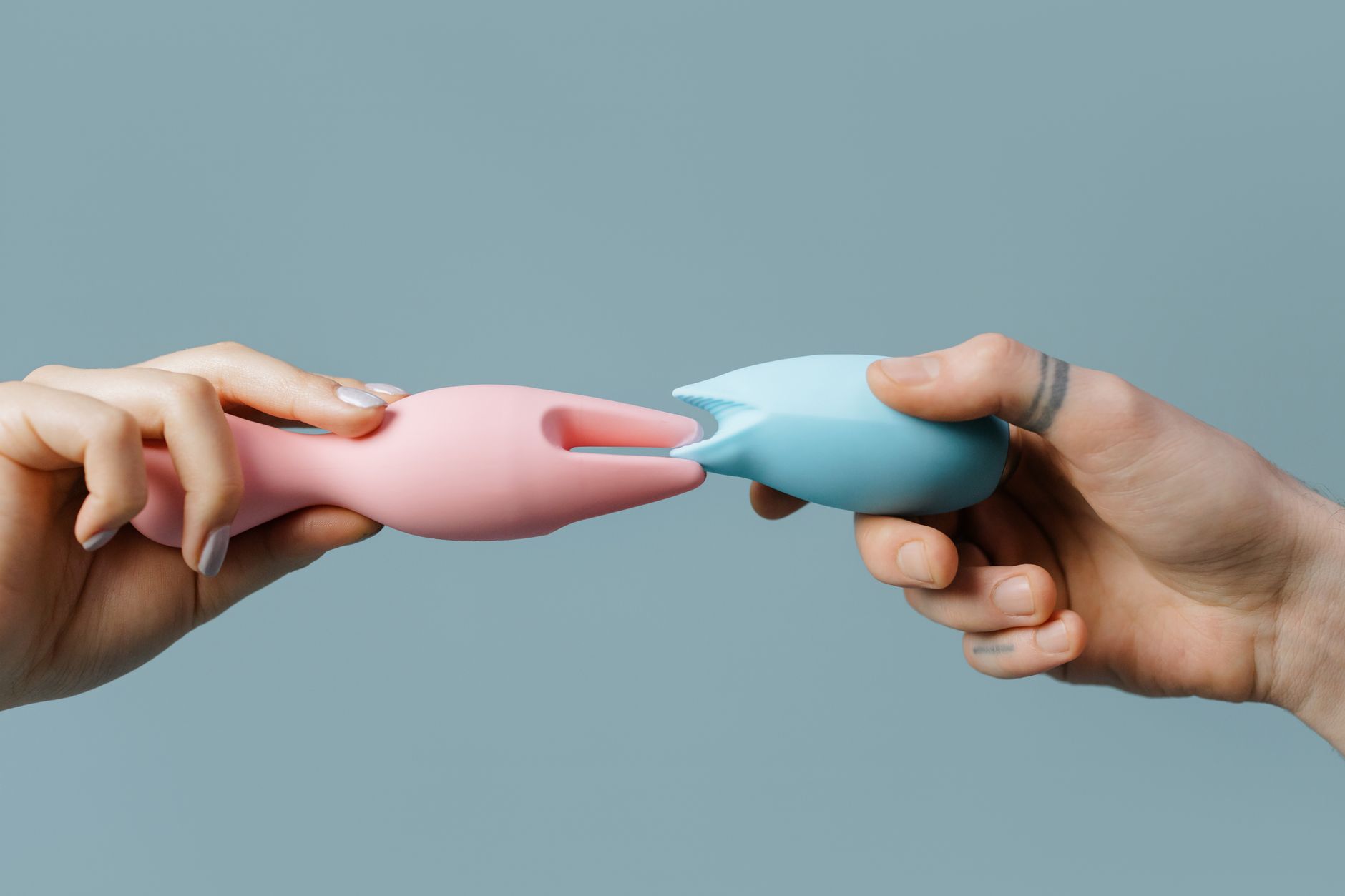
How to Use a Lemon Vibrator After Menopause for Better Sensation
Let's be real: menopause changes your body's response to pleasure. It does not end it. That distinction is everything because most of what you hear falls into one of two unhelpful camps. Either "everything stops working," which is false. Or "it's all the same, don't worry," which is also false and frankly unhelpful.
Here's what actually happens physiologically, and what it means when you're trying to use a lemon clitoral vibrator or any other toy after 50.
What menopause actually does to sensation
Estrogen drops. This is the big one. Lower estrogen means tissue becomes thinner, blood flow to the genital area decreases slightly, and natural lubrication changes. Your clitoris doesn't shrink or lose nerve endings. What changes is the tissue surrounding it and how quickly your body warms up to stimulation.
You might notice arousal takes longer to build. Where you used to feel sensation building in five minutes, now it's fifteen or twenty. This isn't dysfunction. It's biology. And it's completely treatable with the right approach.
Testosterone also drops after menopause, and yes, people with vulvas produce testosterone too. It contributes significantly to desire. Many people find that desire shifts or takes a different form. But many also find that removing the constant cycle of hormonal fluctuations and fertility anxiety actually opens up space for deeper, more intentional pleasure.
Why a lemon vibrator can work particularly well now
The suction-based technology in a lemon clitoral vibrator is different from traditional vibration. Instead of direct contact and friction, suction stimulates the clitoris by creating a gentle vacuum effect. For post-menopausal bodies with thinner tissue, this matters.
Friction against thinner tissue can feel uncomfortable or even irritating if you're not careful. The suction mechanism in a lemon vibrator bypasses that problem entirely. It engages the nerve endings without the same mechanical pressure. This is why many of my clients report their most satisfying orgasms come after menopause, especially with tools designed like the Lem.
The pulsing patterns also matter. You have time now. Without the usual background noise of cycles and cultural pressure, you can actually explore what rhythm your body responds to best.
Physiological shifts you need to know about
Three major changes happen that affect how you'll use your lemon vibrator:
Lubrication changes. Thinner tissue also produces less natural lubrication. This is not a reflection on your arousal or desire. It's literal physiology. Water-based lubricant becomes non-negotiable. Not because you're broken, but because it changes the experience dramatically. A good lube reduces friction, increases sensation, and makes everything feel richer.
Arousal takes longer. Budget more time. Where foreplay used to be ten minutes, think twenty-five to thirty-five now. Your body isn't slower at reaching orgasm. It's slower to warm up. Once you're there, orgasms often feel more intense and more localized than before.
Pelvic floor engagement shifts. The pelvic floor loses estrogen support as menopause progresses. This can mean the sensation of orgasm feels different. Some people report orgasms feel more concentrated. Others notice their orgasm pattern changes from waves to pulses. Neither is worse. It's different, and worth exploring.
How to set yourself up for better sensation
Four practical adjustments that change everything.
Start with water-based lubricant, always. Silicone-based lubes feel luxurious but they damage silicone toys. Your lemon vibrator is silicone. Stick to water-based. You're not solving a problem. You're optimizing sensation. A good lube lets you feel the full range of what the toy offers.
Warm up longer than you think you need to. Spend ten to fifteen minutes on foreplay before introducing the vibrator. This could be touch, fantasy, whatever gets your body's attention. By the time you use your lemon clitoral vibrator, you want to be genuinely warm. You'll feel sensation faster and orgasm more easily.
Start at lower intensities and build. The Lem and similar lemon vibrators have multiple patterns and intensity levels. Begin at level one or two. Your post-menopausal tissue is sensitive, but not fragile. You're learning what feels good at different levels. Many people find they prefer lower, more targeted sensations to the highest setting. There's no prize for maximum intensity.
Pay attention to pelvic floor relaxation. Kegels are fine, but the other direction matters more. Many people develop pelvic floor tension as estrogen drops. Learn to fully relax your pelvic floor. This isn't intuitive. It takes practice. When you're using your lemon vibrator, consciously soften the muscles around your vaginal opening. Tension blocks sensation.
The mental side of post-menopausal pleasure
Here's what nobody talks about: menopause often arrives with other stuff. Grown kids, relationship shifts, grief, career questions, the feeling of being invisible in a youth-obsessed culture. The temptation is to blame any change in pleasure on hormones. Sometimes it is. Sometimes it's emotional load wearing a hormonal disguise.
This matters because you can adjust technique all you want, but if you're grieving the loss of your younger body or wrestling with feeling unseen, your nervous system won't relax enough to feel much of anything.
If you're partnered, separate the two conversations. "My body is responding differently" is not the same as "I want us to reconnect emotionally." Confusing them turns both into dead ends. Address them separately.
Solo pleasure becomes more valuable now than it probably ever has been. Not because partnered sex is off the table, but because you get to explore without performing. Without managing someone else's ego or expectations. Without the constant calculation of whether you're taking too long. You get to just feel.
When sensation feels like it's not working
If you've been using your lemon vibrator and sensation feels muted or frustrating, check three things first.
First, lubrication. More than you think you need. A lot of post-menopausal people stop before they've got enough lube on board.
Second, stress and nervous system activation. If you're worried about time, performing, or whether you'll orgasm, your body literally cannot feel much. Your sympathetic nervous system is activated, which narrows blood flow to your genitals. You need to be relaxed for sensation to register. This might mean doing breathing work before you start. Or it might mean setting a phone timer so you stop watching the clock.
Third, overall estrogen levels. If everything feels numb and adjusting technique and stress doesn't help, this might be worth a conversation with a menopause-trained doctor. Topical estrogen cream applied to the vulva has minimal systemic absorption but can dramatically improve local tissue health and sensation.
Making your lemon vibrator routine feel sustainable
After menopause, pleasure works best when it's regular and low-pressure. This is not the time to treat sex or solo play like an occasional project. Your body responds better to consistent stimulation and touch.
Many of my clients find that twice-weekly solo exploration with their lemon clitoral vibrator completely changes their baseline sensation and confidence. It's not about chasing orgasm every time. Some sessions you'll come easily. Others you'll enjoy the sensation and feel more relaxed afterward, even without orgasm. Both are wins.
Store your vibrator somewhere you see it. Keeping it in a drawer where you have to remember it defeats the purpose. If it's visible, you're more likely to use it.
Clean it after use with warm water and a toy cleaner designed for silicone. A clean toy feels better and lasts longer.
What changes and what doesn't
Menopause changes tissue thickness, lubrication, arousal speed, and how orgasms feel. It does not change your clitoris's nerve density. It does not remove your capacity for pleasure. It does not make you less sexual. It reshapes the experience.
For many people, that reshape is deeply positive. You have permission now. You have time. You have a clearer sense of what actually feels good versus what you thought was supposed to feel good. Your lemon vibrator is a tool for exploring that clarity.
FAQ: Your questions about lemon vibrators and menopause
Can a lemon vibrator cause pain after menopause?
Suction-based vibrators like the Lem cause less friction pain than traditional vibrators because they don't rely on direct rubbing. That said, pain during any sexual activity after menopause warrants a conversation with a menopause-informed doctor. Genitourinary syndrome of menopause (GSM) is real and highly treatable, often with topical estrogen creams. Don't assume pain is normal or permanent.
How often should I use my lemon vibrator after menopause?
Twice weekly is ideal for most people. Regular use keeps blood flow to the area consistent and helps your body maintain its baseline sensitivity. If you go weeks without stimulation, your tissue can become less responsive. Think of it like exercise: consistency matters more than intensity.
Is it normal for orgasms to feel different after menopause with a lemon vibrator?
Completely normal. Post-menopausal orgasms often feel more concentrated or pulse-like instead of wave-like. Some people find them more intense. Others find them arrive more slowly but last longer. There's no "correct" orgasm shape. What matters is that you feel pleasure.
Should I use more lubricant with a lemon clitoral vibrator after menopause?
Yes. The suction mechanism in a lemon vibrator works best with adequate lubrication. If you're using water-based lube, you might need to reapply halfway through longer sessions. This isn't a sign something's wrong. It's how post-menopausal bodies work.
Can I use a lemon vibrator if I'm on hormone replacement therapy?
Absolutely. HRT changes the tissue response timeline, but it doesn't eliminate the need for warmup or thoughtful use. Some people find sensation returns faster on HRT. Others find the baseline shifts slightly. Pay attention to what your specific body is telling you.
What intensity level should I start with on my lemon vibrator after menopause?
Start at level one or two. Your tissue is sensitive to suction, which means you might feel plenty at lower intensities. You can always increase later. Most post-menopausal users find they prefer levels two through four, not maximum. This is preference, not limitation.
Your pleasure matters. Your body is not broken. It's just entering a different chapter, and that chapter can be richer and more intentional than anything that came before.
How to Use a Lemon Vibrator When Your Clitoris Is Too Sensitive offers additional strategies if sensation feels overwhelming.
For broader context on how hormonal changes affect pleasure, Why Lemon Vibrators Work Better After You've Stopped Hormonal Birth Control covers similar nervous system and tissue dynamics.
The bottom line
Menopause reshapes pleasure. It doesn't end it. Your lemon clitoral vibrator is specifically engineered for the tissue changes that come with lower estrogen. Suction bypasses friction. Warmup, lubrication, and time replace speed. Orgasms might feel different, but they can feel deeper.
Your pleasure deserves attention and care. You deserve the tools and knowledge to explore what feels good now. If something isn't working, it's not because your body is broken. It's because the setup needs adjusting. And that's always fixable.