Here's what nobody tells you about pressure
You're not broken if orgasm doesn't arrive on schedule. The pressure to come quickly, reliably, within a certain window—especially with a partner watching or waiting—is one of the fastest ways to kill actual pleasure. And honestly? That pressure often comes wrapped up in old ideas about what sex is supposed to look like. Fast. Efficient. Climactic.
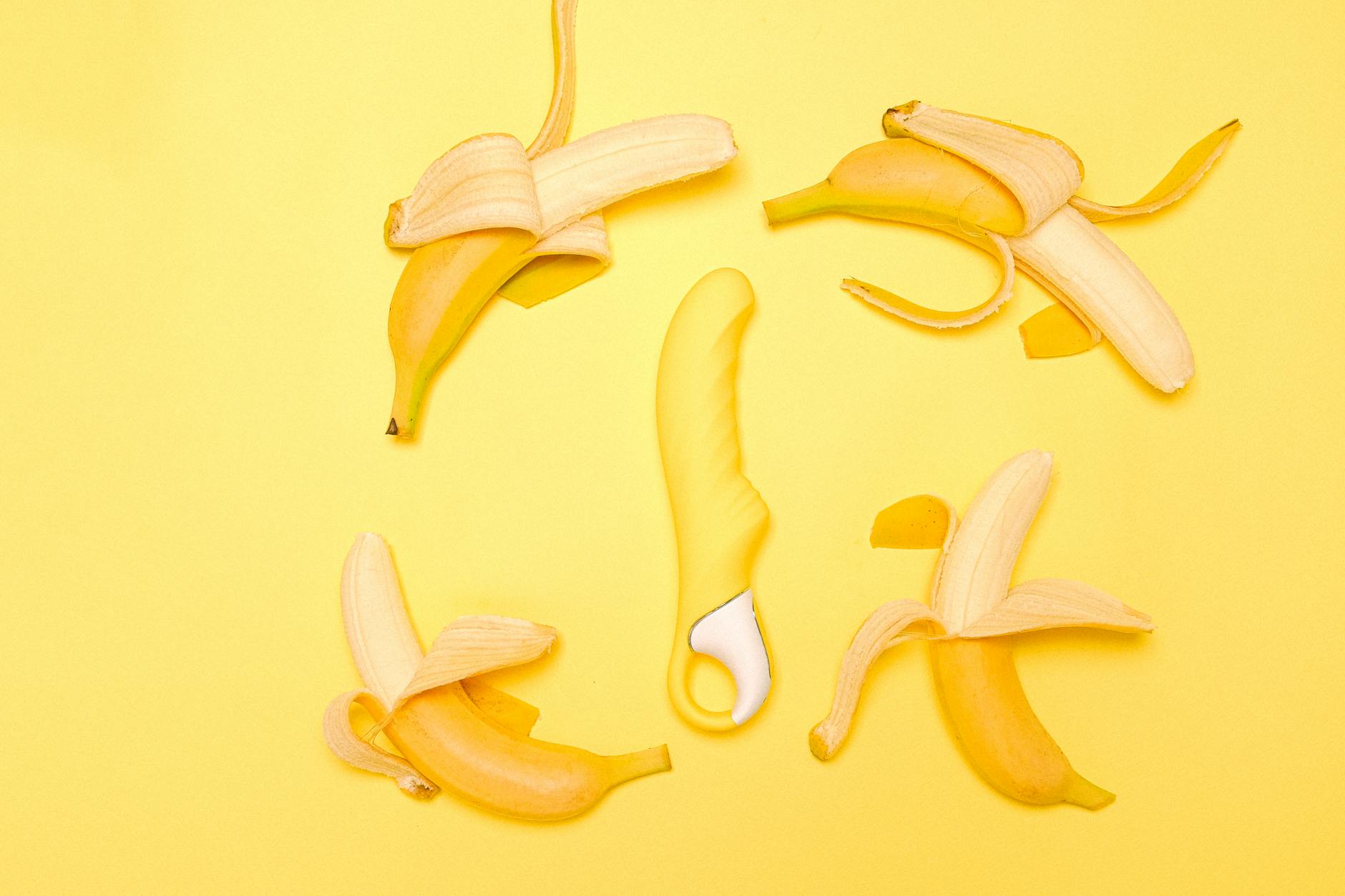
But pleasure doesn't work on a timer. Neither do lemon vibrators.
Why the speed trap happens
There are a few things firing at once here. If you're with a partner, there's often unspoken pressure—they're waiting, invested, checking the clock. If you're solo, you might be rushing because you've got twenty minutes before someone gets home, or you're tired, or you just want to "get it done" like it's another item on the to-do list.
Then there's the bigger stuff: generations of messaging that sex is meant to build toward one singular payoff. That if it takes too long, something's wrong with you. That the best orgasms happen instantly. None of that is true.
What's actually true is this. The longer you can stay in arousal without chasing the destination, the more intense the eventual pleasure becomes. Your nervous system relaxes. Blood flow deepens. Sensation starts to build in ways that feel less like pressure and more like exploration.
The physiology of slowing down
When you're racing toward orgasm, your nervous system is in overdrive. Cortisol and adrenaline are high, which narrows sensation and makes everything feel urgent. It's the opposite of the state you actually need for deep pleasure.
Slowing down activates the parasympathetic nervous system, the part that says "it's safe to feel." Your breathing naturally deepens. Blood vessels relax. Muscles that have been tense begin to surrender. Touch becomes more nuanced instead of more intense.
With a lemon clitoral vibrator, this shift changes everything. Instead of using the toy as a speed tool, it becomes a sensation explorer. You're not trying to get there faster. You're using suction and vibration to notice what each different pattern feels like, what happens when you pause, what your body is trying to tell you.
Reframe the vibrator's job
Most people approach a lemon vibrator like it's a shortcut. Turn it on, find the "right" setting, arrive at orgasm. Done.
Instead, treat it as a teacher. This tool shows you what your body can feel when you slow down and pay attention.
Start with the lowest setting. Run it over your clitoris in a slow, exploratory way instead of holding it in one spot waiting for the magic moment. Notice how different speeds feel different. Notice where sensation pools and where it spreads. Some people find that moving the vibrator in small circles, or stroking, actually builds more tension than pressing and holding.
The paradox is real: when you stop trying to make it happen, it usually happens. And when it does, it's richer.
Three concrete ways to break the speed habit
Set a timer, but backwards. Instead of "I have 15 minutes to finish," give yourself "20 minutes where I'm not allowed to chase the orgasm." This flips your brain from outcome-focused to sensation-focused. You can't fail if you're not aiming at a target.
Introduce the pause. Once you're aroused, bring the vibrator to about 60% of what feels like maximum intensity, and hold it there without building further. Your body will naturally start seeking more. Resist. Stay at that simmer for 2-3 minutes. Then increase intensity again. This teaches your nervous system that pleasure isn't linear. It builds in waves.
Separate pleasure from orgasm. Spend a whole session—maybe 30 minutes—using a lemon clitoral vibrator with zero intention of coming. Notice sensation. Enjoy building arousal. Let it recede. Build again. This sounds counterintuitive, but removing the pressure of "the goal" often leads to the most explosive orgasms because your mind stops interfering.
When you're with a partner
If you're using lemon vibrators during partnered sex, the conversation matters before the vibrator appears. Tell your partner you want to slow down. That you might not come in five minutes, and that's not a failure—that's the plan. Some partners feel relieved. They're usually also being pushed by the clock, wanting to "succeed" in getting you there.
You might say: "I want to explore this together. I might not orgasm, and I want that to be okay. What I want is to take time and see what feels good." Permission both ways is powerful.
If your partner is the one watching and waiting, which amplifies internal pressure, consider solo sessions where you practice slowing down without an audience. Build the skill alone first. Then you can bring that calm, exploratory energy into partnered moments.
The role of breath and rhythm
This sounds obvious but almost nobody does it: breathe. When you're chasing orgasm, breathing becomes shallow. Chest tight. Muscles clenched. It's the opposite of what you need.
Instead, practice slow, deep breathing while using your lemon vibrator. Inhale for four counts, exhale for four. This actually slows your nervous system's response to the vibration, which means sensation builds differently—less like a sprint, more like climbing.
Your rhythm with the vibrator should match your breath. If you're breathing deeply, use a slow pattern setting. If you find yourself speeding up the vibrator, pause and slow your breath instead. Your body will follow.
What happens when you finally let go
Once you've spent weeks or months reframing pleasure this way, something shifts. The pressure lifts. And paradoxically, orgasms become more frequent, more intense, and way more interesting. Some people discover they can have multiple orgasms once they've stopped treating the first one as the finish line.
More importantly, you stop associating your body's pleasure with performance. You're no longer asking "did I do it fast enough?" You're asking "what did that feel like?" That's the difference between sex you're checking off and sex you're actually present for.
FAQ: Pressure, pace, and pleasure
Why do I feel like I should come faster if I'm using a vibrator?
Because vibrators are marketed as efficiency tools—get the job done, save time. But a lemon clitoral vibrator works best when you slow down and use it intentionally. The suction and vibration are most effective when your body is relaxed, not when you're tensing toward a finish line. Speed is the enemy of sensation.
Can I really have good sex if it takes a long time?
Yes. This is actually the norm. Most research on partnered sex shows arousal takes 15-30 minutes to really build in people with vulvas, and that's before considering individual variation. The cultural obsession with "quickies" doesn't reflect how bodies actually work. Long, slow, exploratory sex often leads to deeper pleasure and stronger orgasms.
My partner gets impatient. How do I handle that without feeling rejected?
Have the conversation outside the bedroom. Say something like: "I want to slow down because I enjoy it more. That's not about you. It's about me reclaiming what works for my body." If your partner is still impatient, that's a separate conversation about feeling seen and valued. Some couples find that taking turns—one person focused on pleasure, the other witnessing—helps reframe what sex is supposed to feel like.
Is it okay to use a lemon vibrator and never come?
Completely okay. Pleasure and orgasm are not the same thing. Sometimes you'll use a vibrator and feel amazing but not cross the orgasm finish line. That's not a waste. It's information about what your body needed in that moment. Honor that rather than treating it as failure.
How long should I spend exploring before I "try" to come?
At least 15-20 minutes, ideally longer at first. This trains your nervous system that pleasure is the goal, not the orgasm. Once you've built that habit, your body learns to relax faster. But in the early stages of reframing, slow is the point.
What if slowing down actually makes me more anxious?
Sometimes sitting with arousal without the distraction of chasing brings up anxiety. If that happens, it's worth exploring with a therapist, especially if you've felt disconnected during partnered sex or struggled with self-touch feeling too intense. Anxiety during pleasure often has roots in older messages about your body not being okay. That's addressable.
The real benefit
Slowing down with a lemon vibrator isn't about trying harder. It's about trying differently. It's about trusting that your body knows what to do when you stop pushing it. Some of the most intense, memorable orgasms happen when you've stopped measuring and started feeling.
Your pleasure doesn't have a deadline. Let it take whatever time it needs.
If you'd like to explore this more deeply in your relationship, get in touch. Pleasure is worth the conversation.